
Last updated October 16, 2026
 Wrought iron
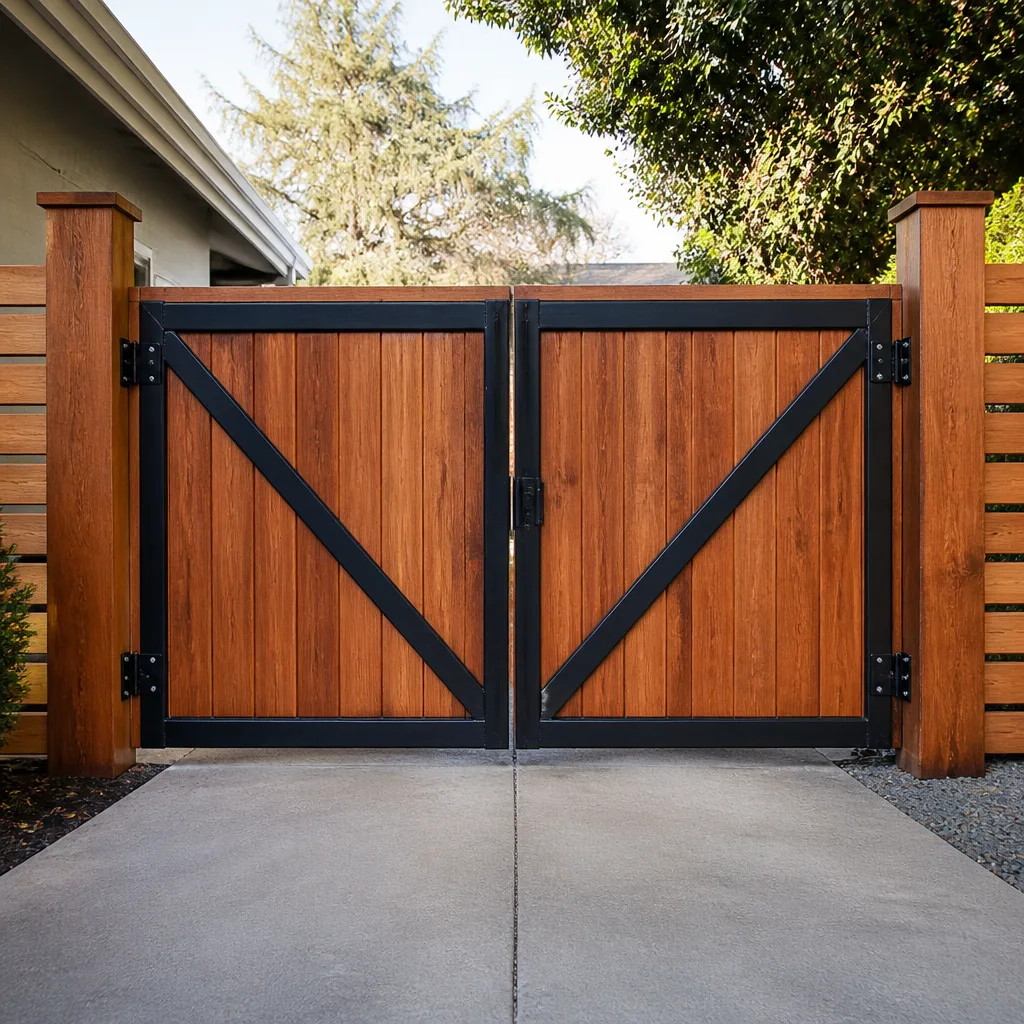 Wood & steel frame
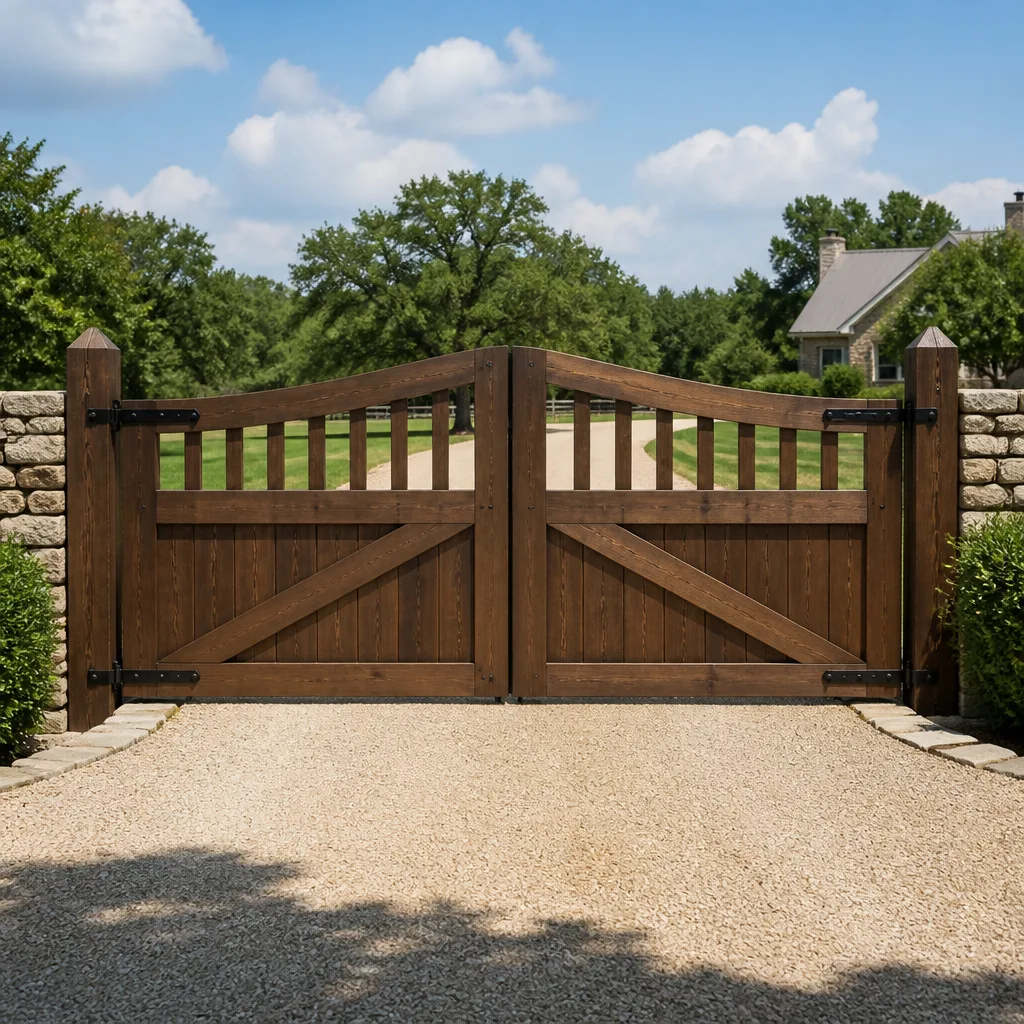 Farm & ranch
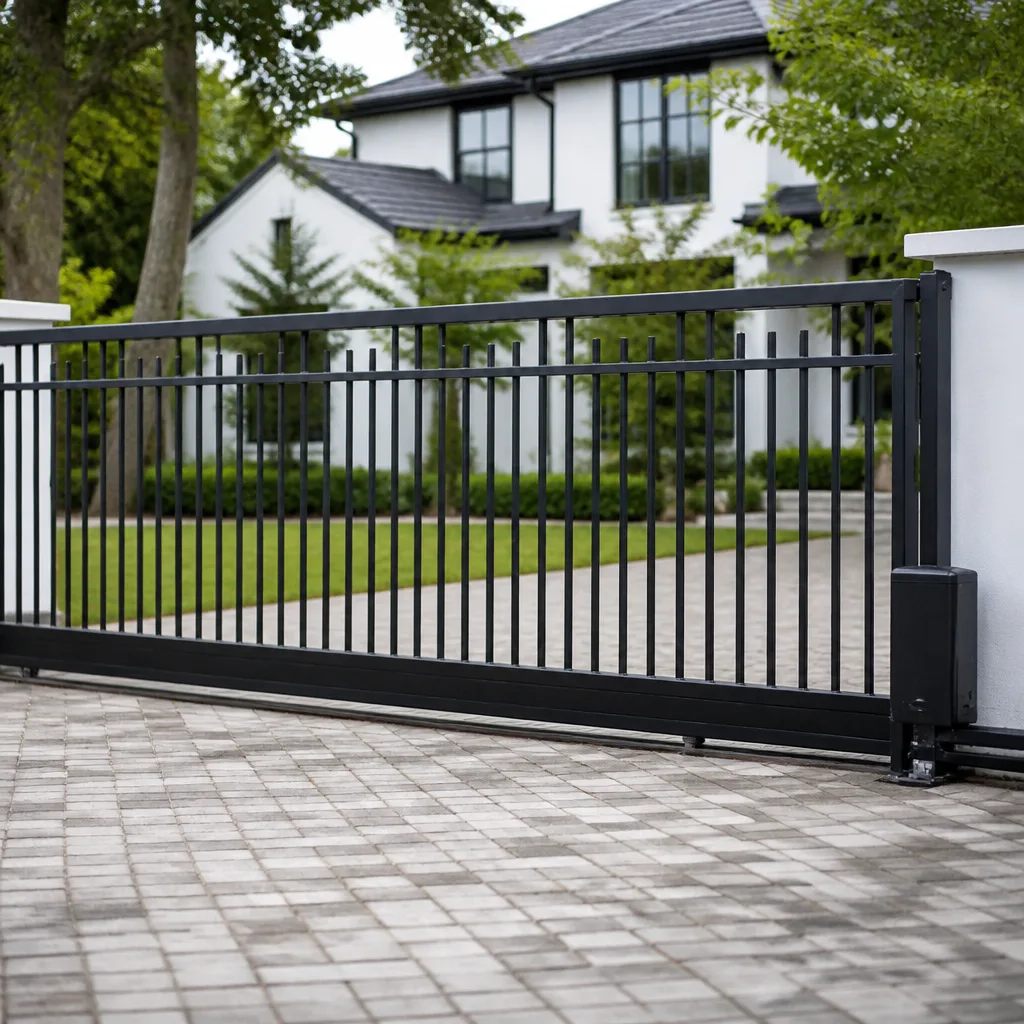 Sliding driveway gates
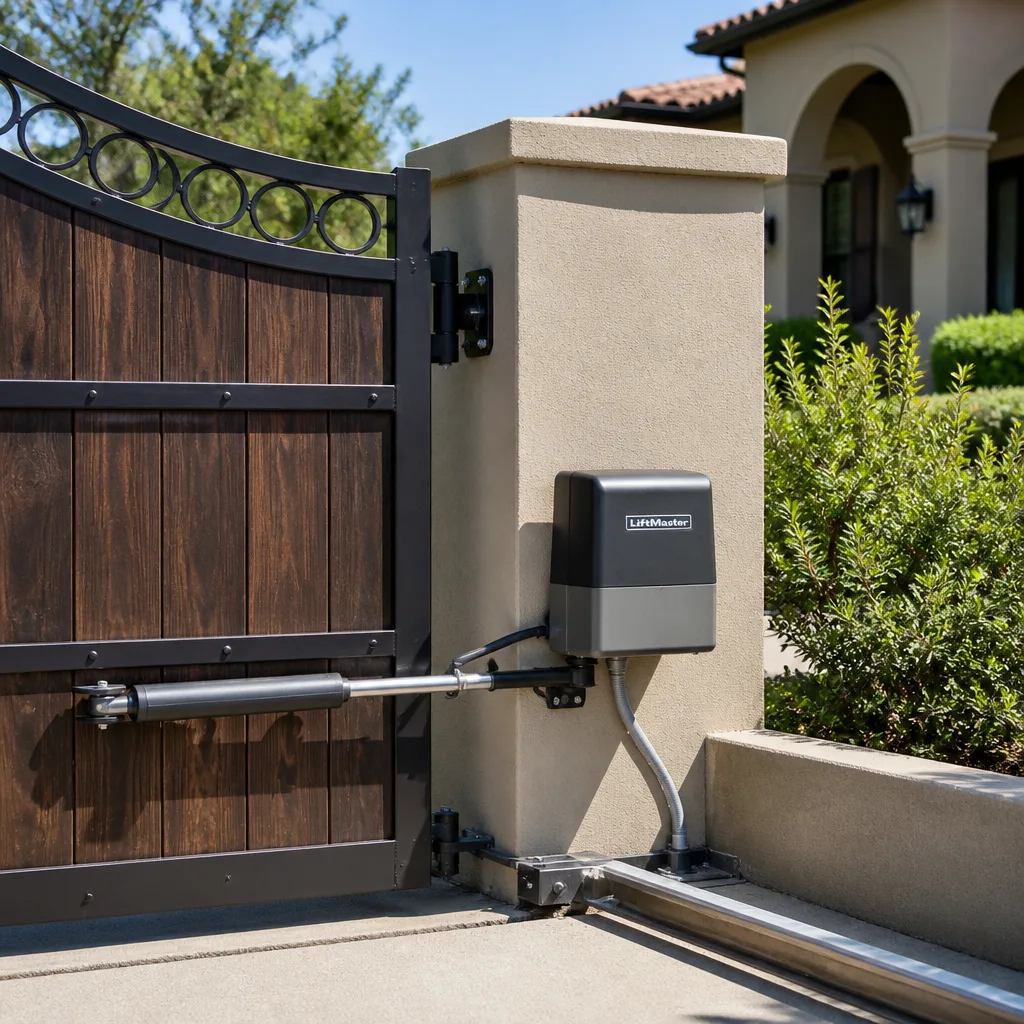 LiftMaster operators
Free on-site gate assessment - hinges, posts, and your LiftMaster or Nice gate operator checked before anything is quoted
The assessment is free and the quote is the invoice.
Get your free estimateGate Repair Warning Signs: A Dallas Homeowner’s Reference Guide
The most expensive gate repair in Dallas is almost never a surprise to the gate. It’s a surprise to the homeowner. Full operator motor replacement, the $1,200 to $1,600 job nobody wants, is preceded in nearly every case by at least three months of smaller symptoms that got ignored. A hesitation here, a scrape there, a remote that works on the third press instead of the first. This guide teaches you to read those quiet signals before they turn loud. We’re writing this from the perspective of a Dallas Gate Repair services company that has opened thousands of broken operators, and we’ll tell you exactly what we find inside.
Styles & brands we work with
Quick Answer
The earliest warning signs of gate failure in Dallas are a 2-second delay before the gate responds to the remote, a grinding or scraping sound that appears only at certain times of day, and a gate that moves slower in summer heat than it did in spring. Any one of these symptoms means a component is wearing out and needs attention within 2 to 4 weeks. Ignored, they lead to motor burnout, which costs 6 to 8 times more to fix than the original worn part.
Table of Contents
- Symptom-to-Cause: What Each Sound and Behavior Actually Means
- Visual Warning Signs Dallas Homeowners Should Check Monthly
- The Summer Heat Symptom: Why Your Gate Works Fine Until August
- Scheduled Repair vs. Same-Week Service: How to Tell the Difference
- How to Document and Photograph Warning Signs Before You Call
- The Real Cost Reality: A $180 Fix vs. a $1,400 Replacement
- Common Mistakes to Avoid
- When to Call a Professional
- Frequently Asked Questions
- The Bottom Line
Symptom-to-Cause: What Each Sound and Behavior Actually Means
Gates don’t break silently. They announce their decline through a small vocabulary of sounds and hesitations. Here’s the translation table we use when a Dallas homeowner calls Gate Repair in Dallas and describes what they’re hearing. This is the same diagnostic framework our technicians apply on site.
Grinding or Metal-on-Metal Scraping
This sound means two surfaces are rubbing that should be gliding. In most Dallas residential gates, it’s one of three things: the drive chain has stretched and is dragging against the rail, the wheels or rollers have lost lubrication and are scraping the track, or the gate itself has shifted on its hinges and is dragging against the ground or the post. The fix is typically a chain adjustment, wheel replacement, or hinge realignment. If you catch it early, this is a $120 to $260 repair. If you let it grind for six months, the motor works harder every cycle and its lifespan shortens measurably.
Clicking with No Movement
A sharp click when you press the remote, followed by nothing, is almost always the control board relay firing but the motor not receiving enough current to turn. Common causes: a failing capacitor in the motor, corrosion at the battery terminals, or a control board that’s sending a signal but the motor windings have degraded. In our experience with FAAC and BFT openers in Dallas, the capacitor is the usual culprit in units older than five years. A capacitor replacement is a $90 to $150 job. A motor replacement is not.
Humming Without Movement
This is the most urgent sound on this list. When the motor hums but the gate doesn’t move, the motor is receiving power and trying to turn, but something is physically preventing it. That something is usually a seized bearing, a jammed gear, or an obstruction in the track. Continuing to press the remote when the gate hums without moving will cook the motor windings within a few days. This is a same-week service call, not a wait-and-see. The gate motor, which is the box that slides or swings your gate automatically, is actively destroying itself every time you press the button.
Gate Moves, Then Reverses
When a gate starts to open and then stops and reverses direction, the obstruction sensors are being triggered. In Dallas, this is frequently caused by leaf debris from live oaks accumulating on the track, a sensor knocked out of alignment by a lawn mower pass, or afternoon sun hitting the photo eye at a low angle. Before you call for service, clear debris from the track and check that both photo eyes are pointing at each other. If the problem persists, the sensor wiring may have a short, and that’s a technician visit. For Seasonal Gate Repair Care for Dallas: Year-Round Homeowner’s Guide, check our maintenance tips.
Visual Warning Signs Dallas Homeowners Should Check Monthly
Dallas weather does specific things to metal. The freeze-thaw cycle of January, the hundred-degree stretches of July and August, and the clay soil that shrinks and swells with moisture all leave visible marks on gate hardware. Here’s what to look for during a monthly walk-around.
Rust: Surface Oxidation vs. Structural Failure
Not all rust is an emergency. Surface oxidation, the orange-brown film that appears on unpainted hardware, is cosmetic in the early stages. You can wipe it with a rag and it doesn’t flake. Structural rust is different: it flakes, it pits, and when you tap it with a screwdriver it sounds dull instead of metallic. On Dallas gates, structural rust most commonly appears at the bottom rail where sprinkler overspray hits the metal every morning, and at the weld points where the gate frame meets the hinge plates. If you see flaking rust at a weld point, schedule a repair within two weeks. A weld failure under tension can drop a gate leaf off its hinges, and that becomes a dangerous situation the moment someone is standing nearby.
Post Lean: When It’s Time to Act
Gate posts lean gradually, and Dallas clay soil is unusually good at encouraging it. The soil expands when wet and contracts during dry spells, slowly working posts out of plumb. Here’s a simple measurement: hold a level against the post. If the bubble is outside the center lines, measure the gap at the top of the post. A lean of less than 1/4 inch at the top of a 6-foot post is worth monitoring. A lean of 1/2 inch or more means the post is actively moving and the gate’s weight is now hanging off-center, which accelerates wear on every moving part. This crosses into urgent territory because a post that keeps leaning will eventually bind the gate against the ground or the latch post.
Cable Fraying and Chain Slack
Open the operator cover and look at the drive chain. A properly tensioned chain has about half an inch of deflection when you press on it with a finger. If it sags visibly or you can see rust dust accumulating on the links, the chain is wearing. If the chain has jumped the sprocket even once, you’ll see shiny wear marks on the teeth. This is a sign the chain is stretched and needs replacement before it breaks mid-cycle, which can send the gate swinging freely if it’s a slide gate.
The Summer Heat Symptom: Why Your Gate Works Fine Until August
Here’s a scenario we hear every summer in Dallas. The gate has worked perfectly since spring. Then July arrives, and suddenly it opens fine in the morning but won’t respond at 3 p.m. Or it opens halfway and stops. The homeowner assumes it’s a dead remote battery, replaces the battery, and the problem persists. What’s actually happening is thermal cutoff.
Gate motors are designed to shut down temporarily when their internal temperature exceeds a safe threshold. This is a protective mechanism, not a malfunction in itself. But when a motor hits thermal cutoff increasingly often, it’s telling you that the windings are degrading and the motor is running hotter than it should. In a Dallas August, ambient temperatures above 100 degrees combined with a motor that’s already running hot from worn bearings or a stretched chain will push the unit into shutdown every afternoon.
The homeowners who catch this early get a $180 to $300 repair: new bearings, a chain adjustment, maybe a fresh capacitor. The homeowners who wait for fall, because the gate works again once temperatures drop, are usually replacing the entire operator motor within one summer. Thermal cutoff that appears three or more times in a single month is a predictor of motor failure, not a quirk. Brands like Linear and Viking run specific thermal protection curves, and once those curves are tripping regularly, the motor is on borrowed time.
Scheduled Repair vs. Same-Week Service: How to Tell the Difference
Not every warning sign is an emergency. Some allow you to schedule a repair at your convenience within two to four weeks. Others need a technician this week, because waiting means either a complete lockout or a safety hazard. Here’s how to sort what you’re seeing.
Signs You Can Schedule Within 2-4 Weeks
- Intermittent remote range loss: The remote works from 50 feet but not from the street. This suggests a weakening receiver or antenna issue, not an immediate failure.
- Mild scraping or grinding: The gate moves and stops correctly, but you hear friction. This is a lubrication or alignment issue that worsens slowly.
- Slower operation in one direction: The gate opens fine but closes noticeably slower. This can be a limit switch or tension issue that won’t strand you immediately.
- Rust discoloration without flaking: Surface rust at non-structural points can be treated during a scheduled maintenance visit.
- A gate that needs a second remote press once a week: The remote’s battery is aging or the receiver is developing a weak spot. Annoying but not urgent.
Signs That Require Same-Week Service
- Humming without movement: As covered above, every additional press damages the motor windings. This is the highest-urgency sound a gate can make.
- A gate that stops mid-cycle and won’t complete the open or close: You’re one failure away from being locked inside or having the gate stuck open overnight.
- Visible structural rust at welds or hinge points: A weld failure under load can drop a gate leaf, and a falling gate is a serious hazard to anyone nearby.
- Post lean of 1/2 inch or more: The gate is actively shifting and could bind hard enough to break the operator arm or bend the gate frame.
- Thermal cutoff three or more times in one month: As discussed, this predicts motor failure within the season.
- Photo eye faults that prevent the gate from closing at all: A gate that won’t close is a security issue, not an inconvenience.
How to Document and Photograph Warning Signs Before You Call
The fastest way to get an accurate written estimate is to hand the technician useful information before they arrive. See How to Hire a Gate Repair Contractor in Dallas: A Step-by-Step Guide for what to ask. At Warden Gate Repair Dallas, every customer receives their technician’s name and photo before the visit, and the written price comes before any work starts. But the quality of that price depends partly on the information you provide. Here’s how to document what you’re seeing.
- Photograph the gate in its stopped position. If the gate stops mid-cycle, leave it there and take a photo from the hinge side, the latch side, and a wide shot showing the whole gate. This shows the technician exactly where the failure occurs.
- Record a video with sound. The single most useful piece of information you can send is a 10-second video of the gate making its unusual sound. Hold the phone near the operator housing while pressing the remote. The sound signature tells us more than a verbal description ever will.
- Photograph the operator model plate. Open the cover (if it opens without tools) and photograph the data plate showing the brand and model. Knowing whether you have a FAAC, BFT, or Viking unit means the technician arrives with the right parts the first time.
- Note the time of day and temperature. If the gate only misbehaves in the afternoon, write down the outdoor temperature when it happened. This is critical for diagnosing thermal cutoff symptoms.
- Photograph rust or lean from a measurable angle. For rust, take a close-up that shows whether the metal is flaking or just discolored. For post lean, place a level against the post and photograph the bubble position plus the gap at the top.
- Count the symptom frequency. How many times per week does the remote fail on the first press? How many thermal cutoffs have occurred this month? Specific numbers turn a vague complaint into a diagnosis.
When you call, describe the symptom using the plain language from the symptom table above: grinding, clicking with no movement, humming without movement, or stopping mid-cycle. That vocabulary tells our dispatcher which technician to send and what parts to load on the truck.
The Real Cost Reality: A $180 Fix vs. a $1,400 Replacement
Let’s put numbers on the table, because the difference between catching a warning sign early and ignoring it is the difference between a single service visit and a major repair bill. These are the price ranges we see across Dallas for common gate repairs.
- Chain adjustment or replacement: $120 to $280
- Capacitor replacement: $90 to $150
- Bearing replacement (operator): $150 to $350
- Wheel or roller replacement: $80 to $200 per wheel
- Limit switch adjustment: $85 to $175
- Hinge realignment: $150 to $400
- Photo eye replacement or realignment: $100 to $250
- Full operator motor replacement: $1,100 to $1,800 installed
- Control board replacement: $350 to $700
- Post reset or replacement: $400 to $1,200 depending on depth and concrete work
The pattern here is consistent. The parts that wear first, chains, bearings, capacitors, wheels, are all inexpensive to replace and require a single service visit. The parts that fail when those small parts are ignored, the motor, the control board, the post footing, are the expensive ones. Every dollar spent on early intervention saves roughly six to eight dollars in eventual replacement cost. That’s not a sales line. That’s the arithmetic of how gates break in Dallas.
One thing to understand clearly: at Warden Gate Repair Dallas, the written price comes before any work starts, every time. You’ll know the exact number before the technician touches a tool, and that number is what you pay. No surprise line items, no discovery fees mid-job. If the repair isn’t right, the 365-Day Done Right Promise includes a free return visit to make it right. That’s the entire deal, in writing, on every job.
Common Mistakes to Avoid
- Replacing the remote battery for every symptom. A dying remote battery explains a weak signal. It does not explain grinding, humming, or thermal cutoff. If the gate misbehaves with a fresh battery, the problem is in the gate, not in your hand.
- Lubricating the track with WD-40. WD-40 is a solvent, not a lubricant for gate tracks. It strips away the grease that’s supposed to be there and leaves the track drier than before. Use a silicone-based lubricant made for gate hardware, and only on the wheels and hinges, not the track surface itself.
- Ignoring a gate that works fine in the morning but struggles in the afternoon. This is the thermal cutoff signature, and it predicts motor failure within one summer. We covered why in the section above.
- Propping the gate open with a brick or block. A gate that won’t stay open has a limit switch or operator arm problem. Propping it open puts the full weight of the gate on a temporary object, and when that object shifts, the gate swings free. This is dangerous and instantly voids several operator warranties.
- Waiting for cooler weather to call. Dallas gates that overheat in August don’t heal themselves in October. The same motor that thermal cutoffs in summer will fail permanently on a cold January morning when the grease has thickened and the metal has contracted. Repair the overheating symptom while it’s still just a symptom.
- Painting over structural rust. Paint over flaking rust at a weld point hides the symptom while the metal continues to fail underneath. The rust has to be removed or the affected piece replaced before new coating goes on.
- Calling a general handyman for gate opener work. Gate automation involves high-voltage wiring, motor electronics, and safety edge sensors that must be calibrated correctly. A general handyman won’t have the factory training for your specific opener brand. For Electric Gate Repair in Dallas, use a gate-specific company with the right parts on the truck.
When to Call a Professional
You should call a professional the first time you notice any of the same-week symptoms listed above: humming without movement, a gate stopping mid-cycle, structural rust at welds, post lean of half an inch or more, or thermal cutoff three times in a single month. You should also call if your gate is making any sound it didn’t make a month ago, even if everything still works. Sounds are how gates ask for help. Warden Gate Repair Dallas offers free estimates throughout Dallas. Call (361) 322-4460 and describe what you’re hearing. We’ll tell you honestly whether it needs a technician this week or can wait a few weeks, and the written price comes before any work starts.
Frequently Asked Questions
Gate repair in Dallas typically costs between $85 and $400 for most common fixes like limit switch adjustments, capacitor replacements, wheel changes, and chain tensioning. Full motor replacement runs $1,100 to $1,800 installed. The written price is quoted and agreed before any work starts, every time. Call (361) 322-4460 for an exact quote on your gate, estimates are free.
This is almost always thermal cutoff: the motor is overheating in the afternoon heat and shutting itself down as a protective measure. When it happens repeatedly, it means the motor windings are degrading or the drive components are creating excess friction. It’s a warning sign of motor failure within one summer, not a quirk to live with. The fix is usually bearings, chain tension, or a capacitor, all inexpensive if caught before the motor burns out.
Yes, same-day service is available for urgent failures like a gate that won’t close, a motor that hums without moving, or a gate stuck mid-cycle. Calls are answered by a live person 24/7, and every technician’s name and photo are sent to you before arrival so you know exactly who is coming to your door.
The 365-Day Done Right Promise covers every repair Warden Gate Repair Dallas performs. If the repair fails within 365 days, the return visit to make it right is free. It’s a written guarantee on every job, not a verbal assurance. The promise is simple: if the repair isn’t right, we make it right, and you don’t pay for the second visit.
A grinding sound itself isn’t dangerous, but the condition causing it can become dangerous if ignored. Grinding typically means metal surfaces are wearing against each other, usually a stretched chain, dry bearings, or the gate dragging on its track. Left unaddressed for months, the motor works harder every cycle and eventually fails, often at the worst possible moment like when the gate is stuck open at night. A gate that drags on its track can also bind suddenly, which is a safety hazard if it happens while someone is walking through.
We service nine major gate and opener brands: LiftMaster, FAAC, BFT, Linear, Viking, Ghost Controls, DoorKing, Elite, and Mighty Mule. Our technicians are factory-trained on each of these systems, which means the right parts and the right knowledge arrive together. If you have a FAAC or BFT opener that’s humming without movement, or a Linear or Viking system that’s thermal cutoffting in summer heat, we can diagnose it accurately the first visit. Learn more about Gate Motor Repair in Dallas.
The Bottom Line
Dallas gates fail in predictable patterns, and the homeowners who avoid the $1,400 motor replacements aren’t lucky. They listen. They notice the hesitation, the scrape, the afternoon shutdown, and they call while the fix is still measured in hundreds of dollars instead of thousands. The gate tells you what’s wrong through its sounds and behavior. Your job is to translate and act. Document the symptoms, photograph the evidence, and call a professional who will give you a written price before any work starts. Warden Gate Repair Dallas has been serving Dallas since 2008, and every visit includes the name and photo of your technician before they arrive, the Threshold Standard on every job, and the 365-Day Done Right Promise in writing. Call (361) 322-4460 for a free estimate. If your gate is talking, we know how to listen.
Written by Cole Rafferty, Owner at Warden Gate Repair Dallas, serving Dallas since 2008. Browse our more guides & resources for additional help.
See the difference
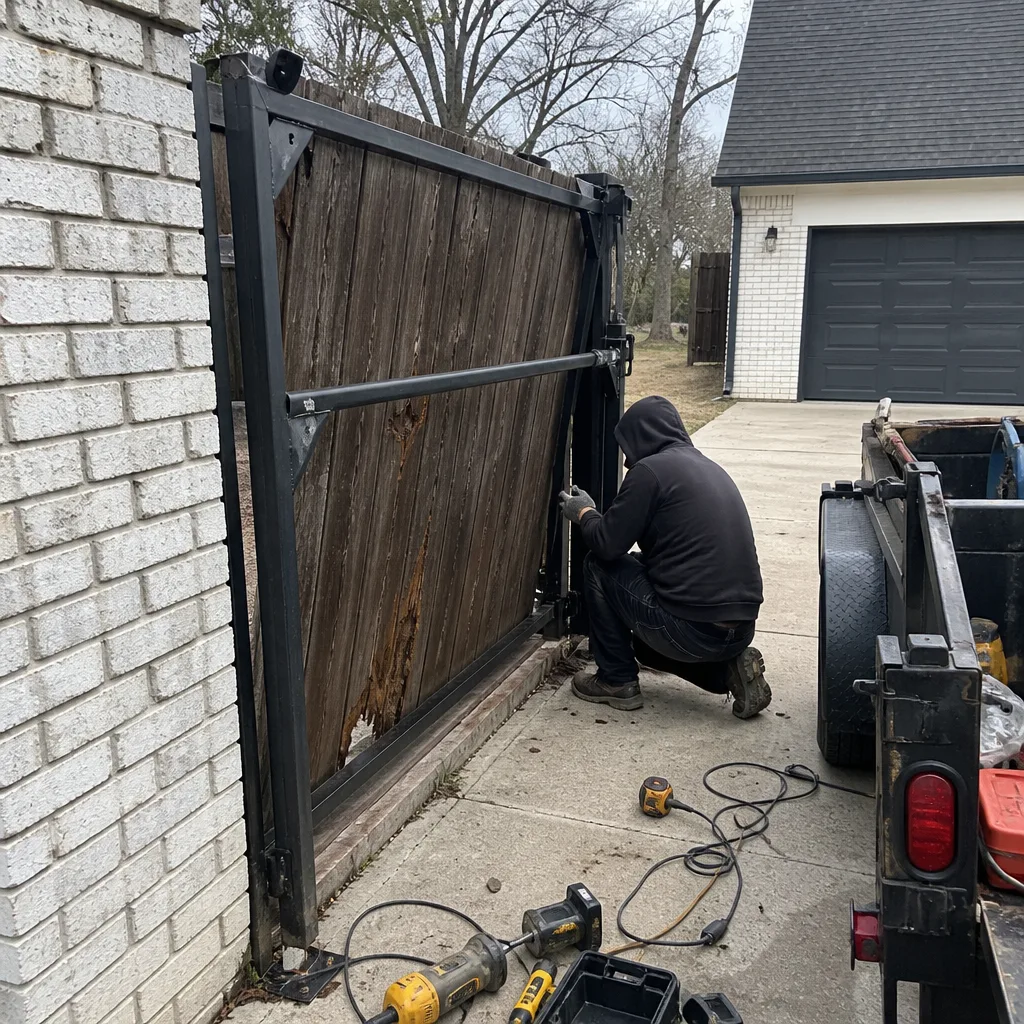 Before
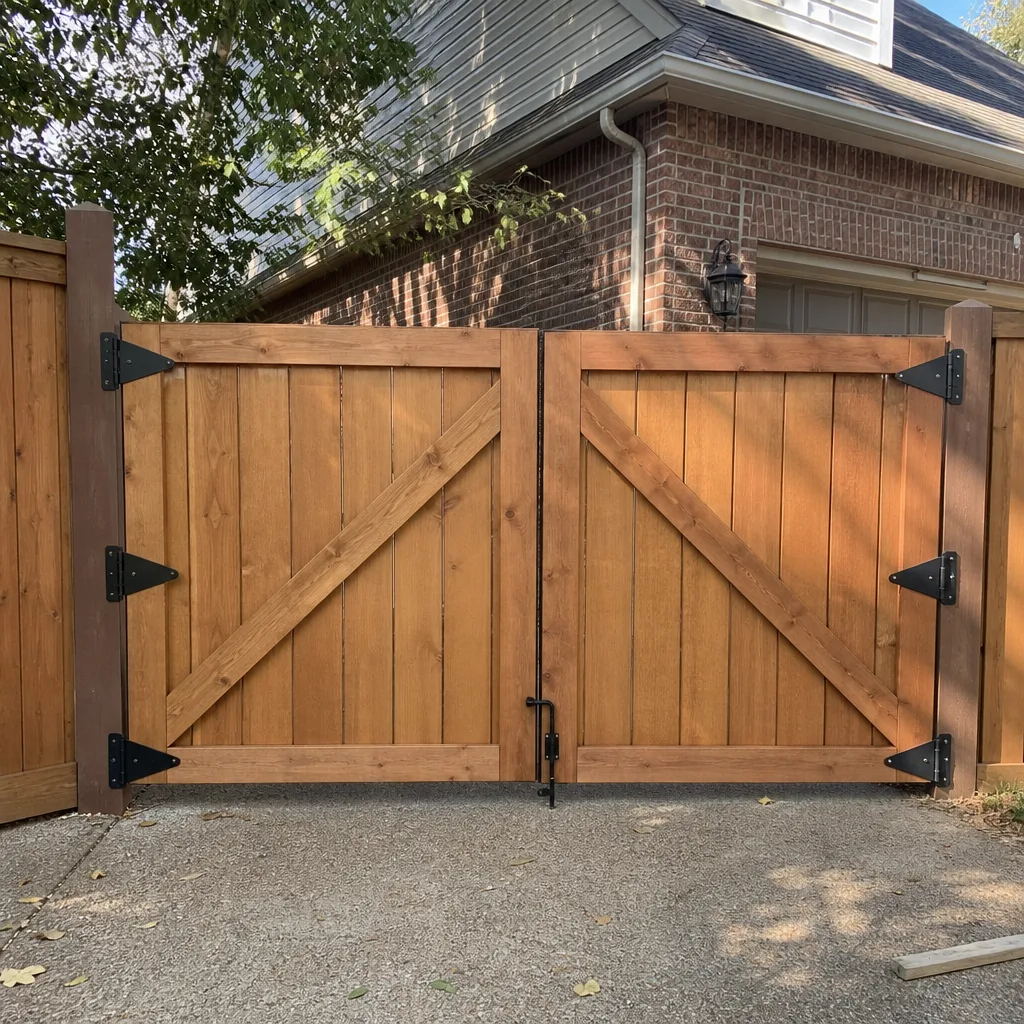 After
After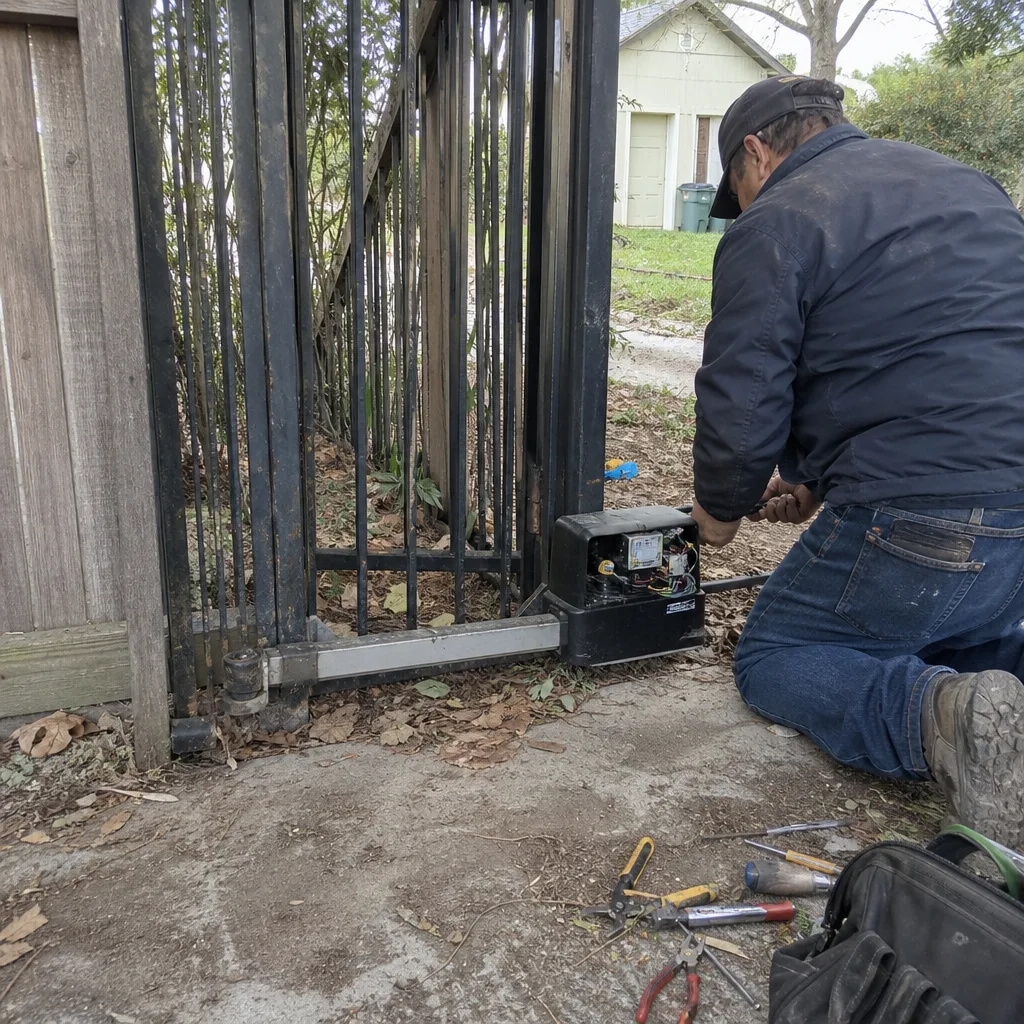 Before
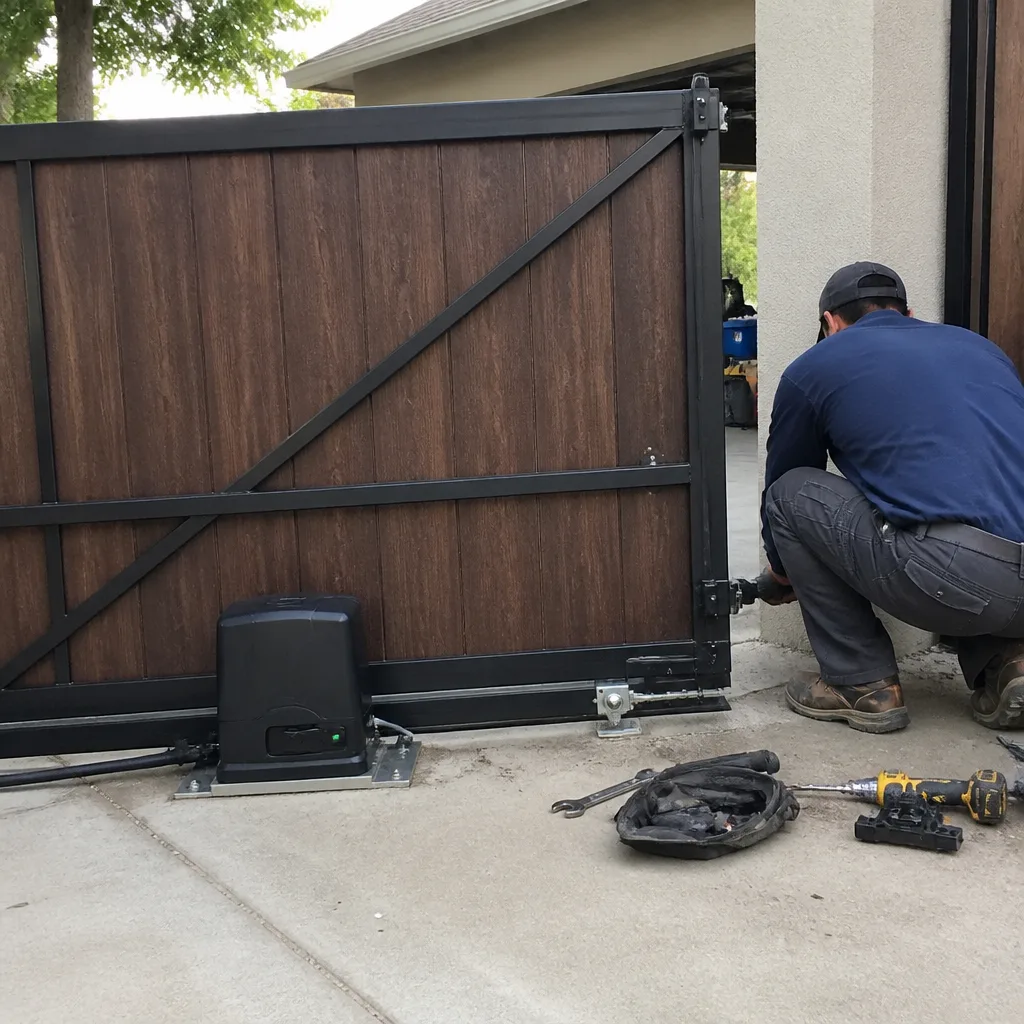 After
After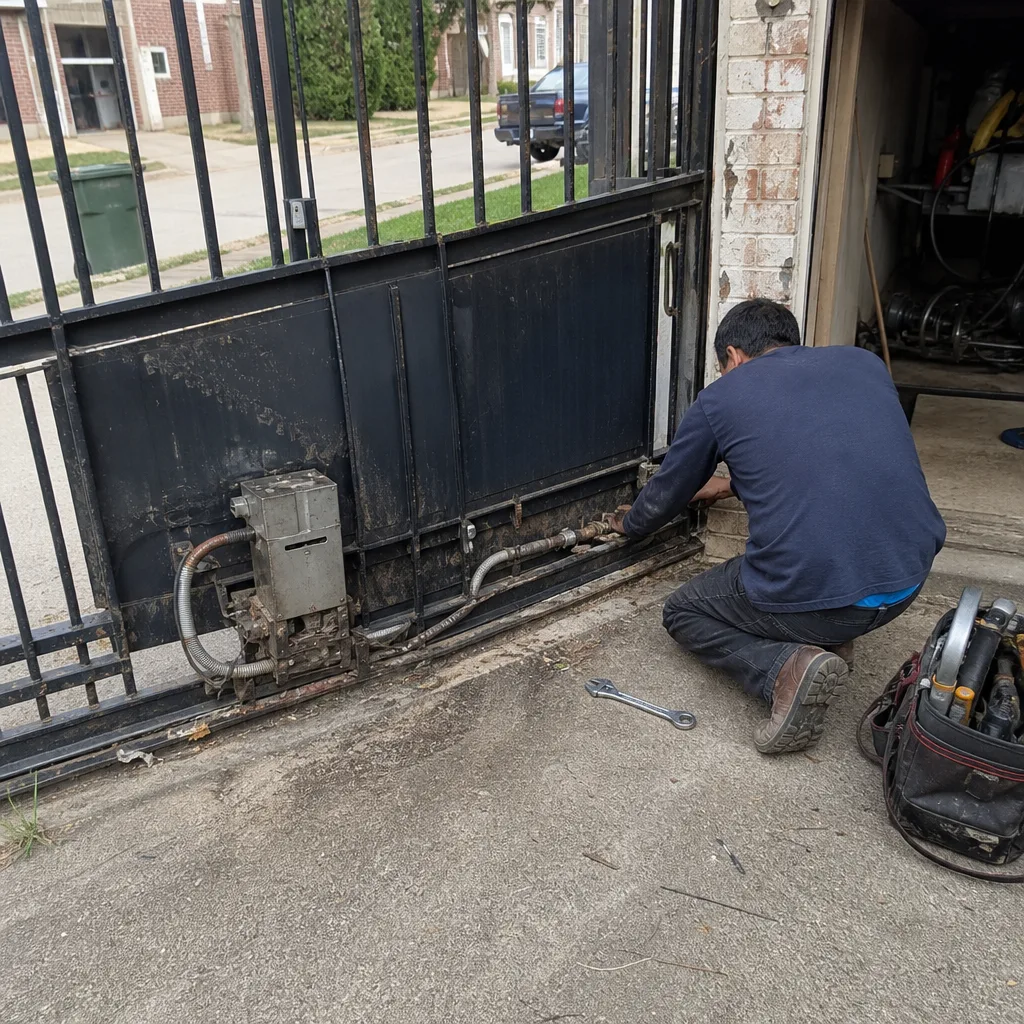 Before
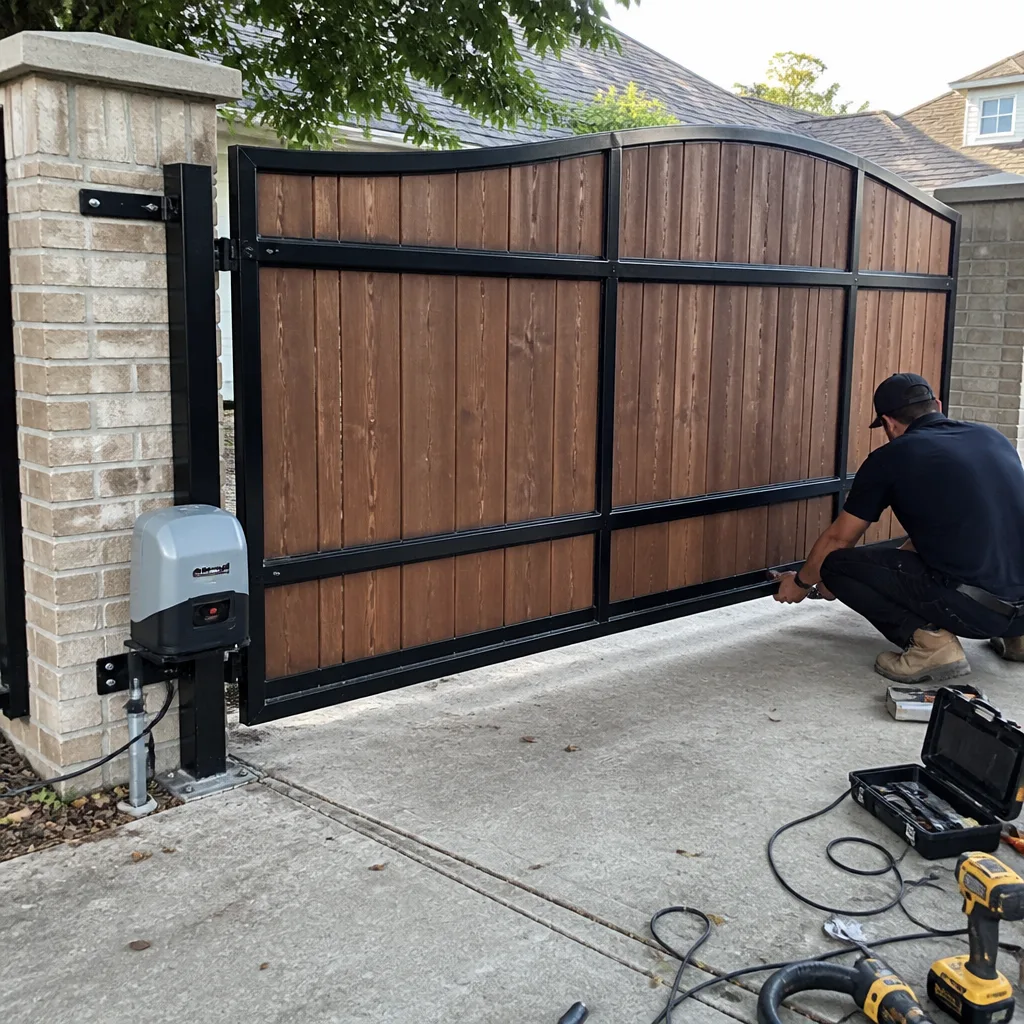 After
After