
Last updated October 16, 2026
 Wrought iron
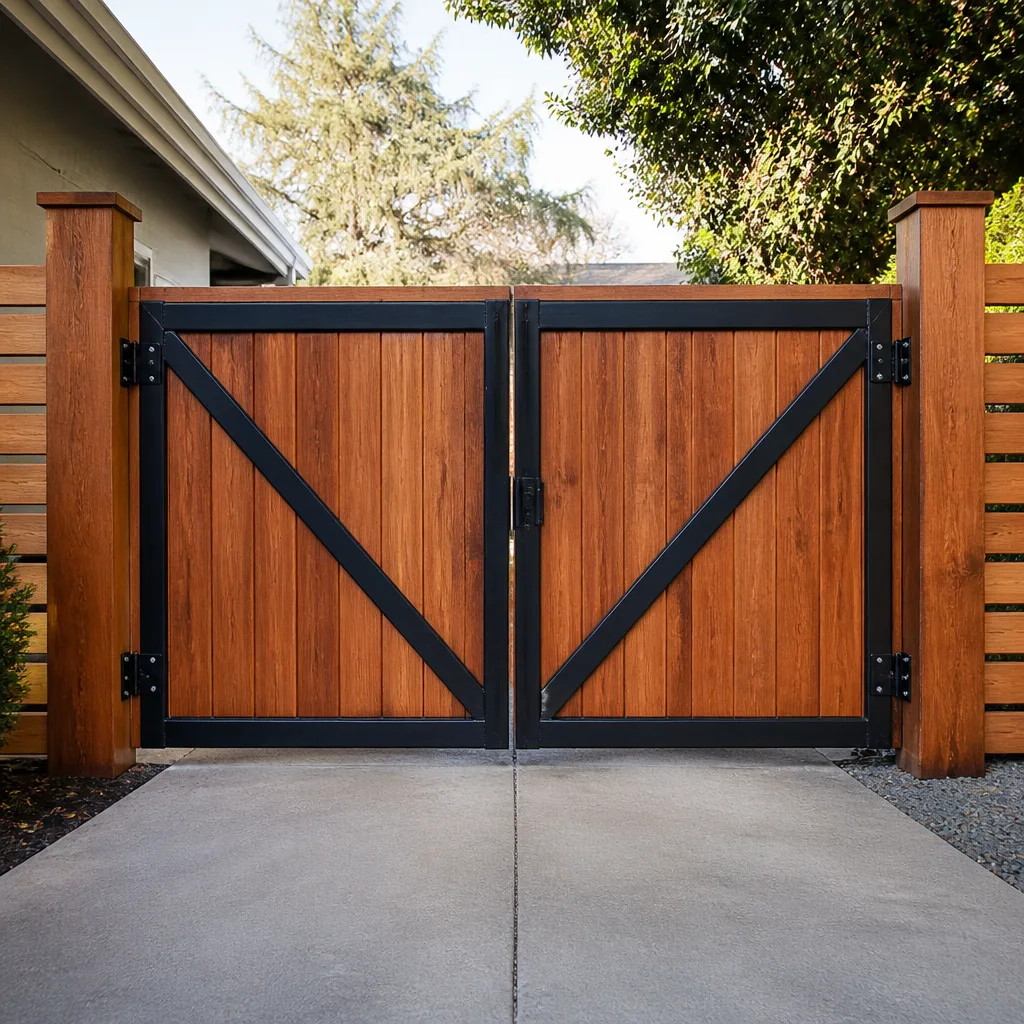 Wood & steel frame
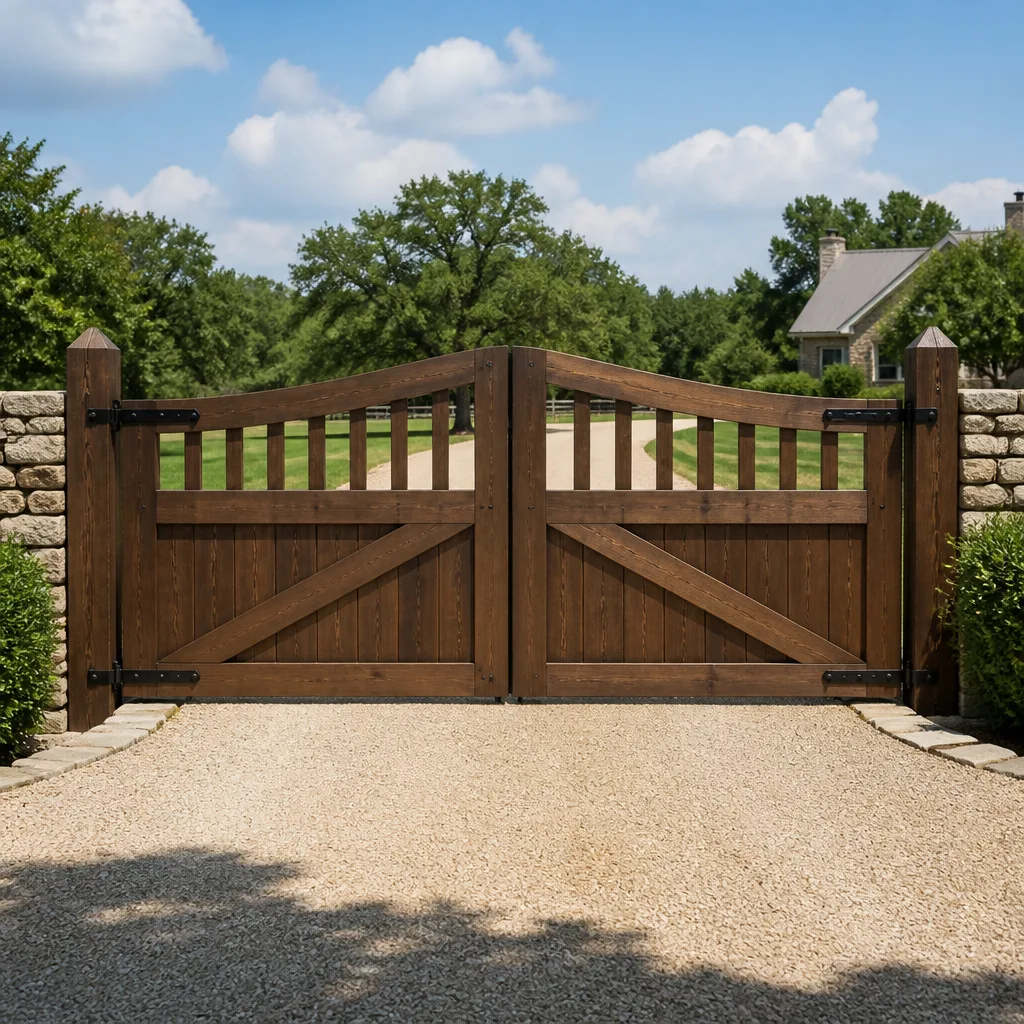 Farm & ranch
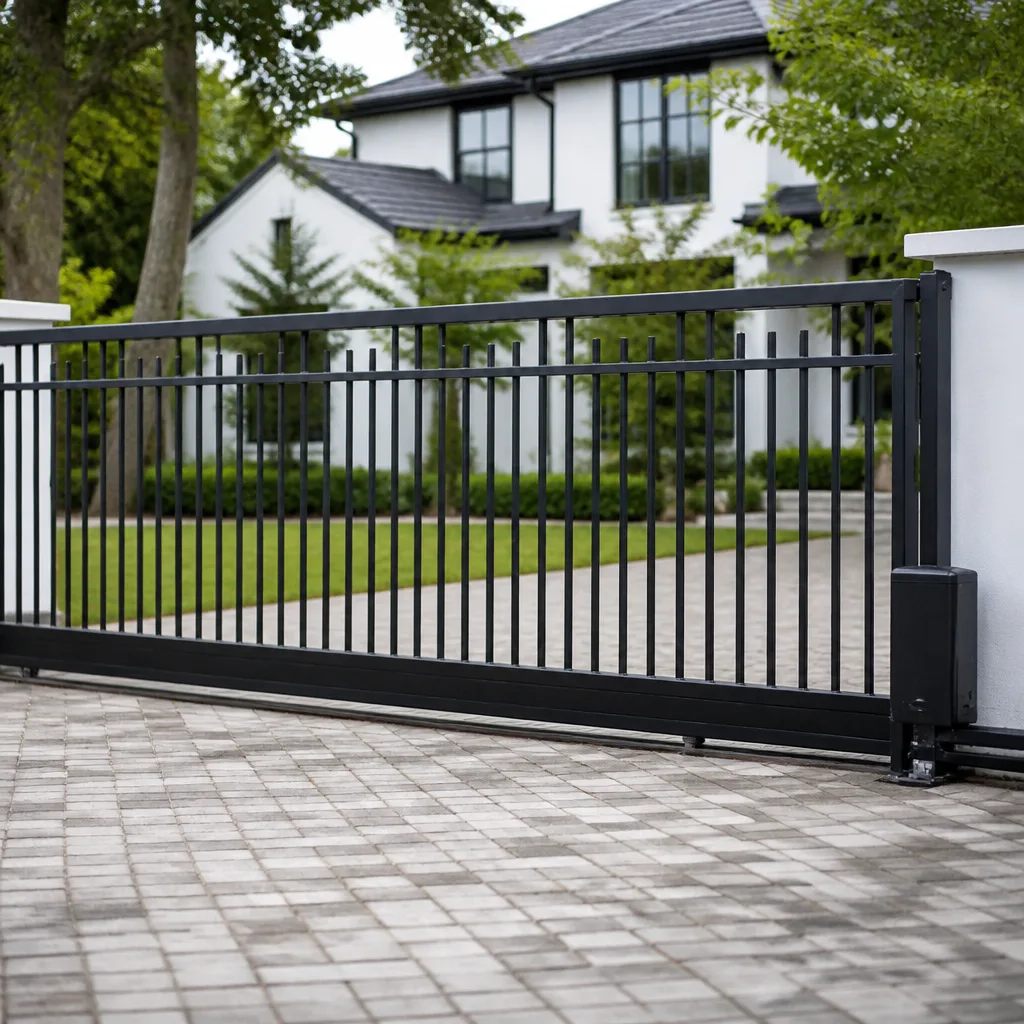 Sliding driveway gates
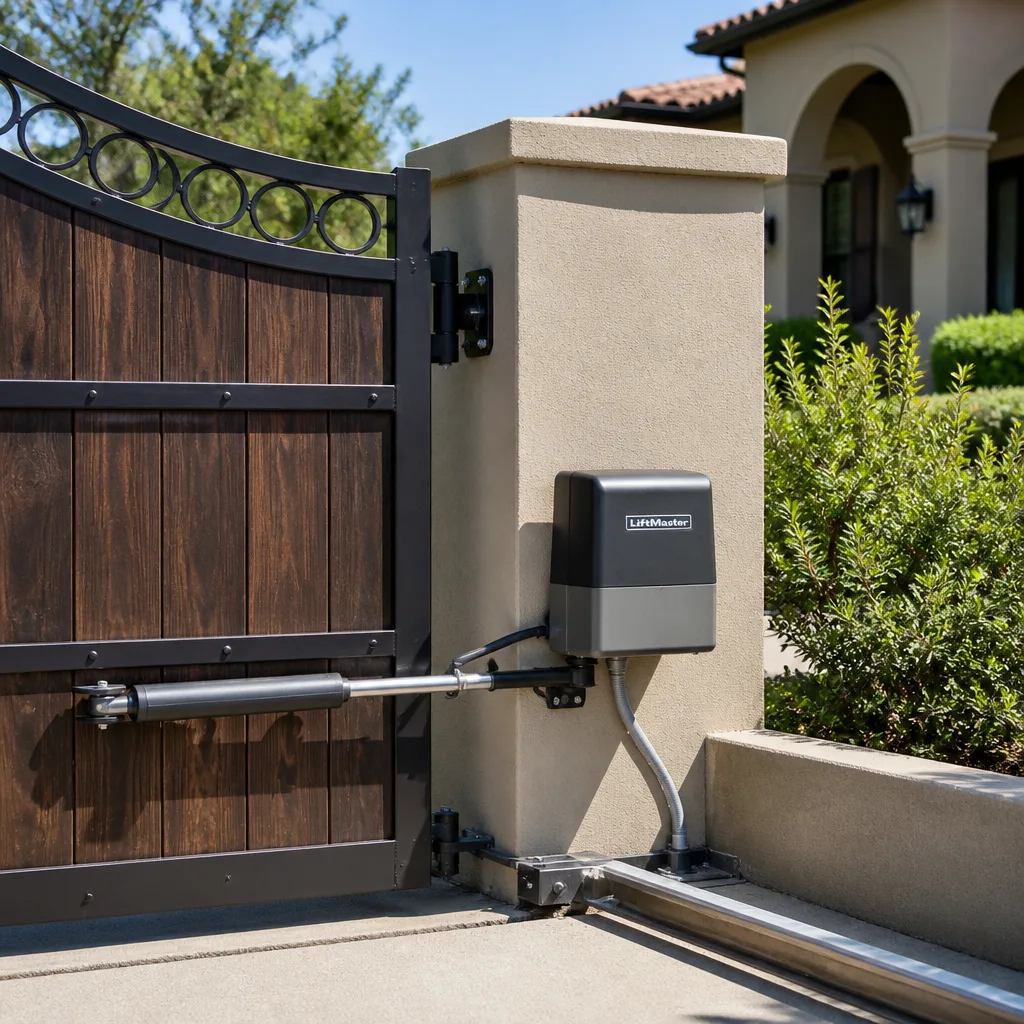 LiftMaster operators
Free on-site gate assessment - hinges, posts, and your LiftMaster or Nice gate operator checked before anything is quoted
The assessment is free and the quote is the invoice.
Get your free estimateGate Repair Permits, Codes & Inspections in TX: What You Need to Know
A Dallas homeowner replaced a failed gate operator on a Saturday morning in 2022. The repair itself took under two hours and cost $480. Three years later, during a title search for the sale of that home, the omission surfaced: the new operator had been installed without a permit, and the electrical modification was never inspected. Closing was delayed six weeks. The fix required a retroactive inspection, a variance filing with the City of Dallas, and a re-inspection fee. Total cost to resolve: just over $2,000 for what was otherwise a routine swap. This guide exists so that doesn’t happen to you. We’ll walk through exactly when a gate repair in Dallas triggers a permit, which codes apply, how inspections work, and what to keep in your records so your gate never becomes a title problem.
Styles & brands we work with
Quick Answer
Most simple gate repairs in Dallas, Texas do not require a permit when they are true like-for-like replacements of existing components with no change to the electrical supply. However, any new automated gate installation, significant electrical modification, or structural change to the gate itself typically requires a City of Dallas building permit and possibly an HOA architectural review. When in doubt, assume a permit is required for anything beyond swapping a failed part for an identical one.
Table of Contents
- The Dallas Permit Threshold: Repair vs. New Installation
- Texas NEC Adoption and Low-Voltage Gate Wiring
- HOA Architectural Review for Gate Changes in Dallas
- The City of Dallas Permit Portal: Step-by-Step
- What Dallas Gate Inspectors Actually Check
- Documentation for Resale, Title, and Insurance
- Common Mistakes to Avoid
- When to Call a Professional
- Frequently Asked Questions
- The Bottom Line
The Dallas Permit Threshold: Repair vs. New Installation
The City of Dallas Development Services Department draws a clear line between maintenance and construction. A gate repair that swaps a failed circuit board for the same board, replaces a worn hinge with a matching hinge, or installs a new battery in an existing operator falls on the maintenance side. No permit, no inspection, no paperwork. A project that changes the electrical supply, relocates the operator, upgrades from a swing gate to a slide gate, or installs an entirely new automated system falls on the construction side. That work legally requires a permit.
The practical test we use with clients across Dallas: did the work restore what was already there, or did it create something new? Restoring equals no permit. Creating or substantially altering equals yes. If you’re unsure which side your project lands on, call the City of Dallas Development Services at (361) 322-4460 and describe the work in plain language. They will tell you directly whether a permit is required. A five-minute call is cheaper than a retroactive inspection.
When a Permit Is Required
- Installing a new automated gate system where none existed before
- Adding an electric operator to a previously manual gate
- Running new electrical wiring from the house or panel to the gate location
- Converting a swing gate to a slide gate or vice versa
- Installing a new concrete pad for a slide gate track or operator post
- Replacing an operator with a different voltage or amperage class (for example, moving from a 12V DC residential operator to a 24V DC industrial unit)
When a Permit Is Not Required
- Replacing a control board inside an existing operator with the identical board from the same manufacturer
- Swapping a failed photo-eye sensor or safety edge for the same model
- Replacing a gate hinge, wheel, or roller with a matching component
- Replacing a remote control or keypad
- Rebalancing or adjusting an existing gate without changing the structural mounting
- Replacing a battery in a solar-powered operator
One more Dallas-specific point: the city treats automated driveway gates as part of the residential electrical system, not as detached accessories like a landscape light. That means the permit classification follows the same path as any other permanent electrical fixture. The fact that a gate sits at the edge of your property line does not exempt it from review.
Texas NEC Adoption and Low-Voltage Gate Wiring
Texas has adopted the National Electrical Code (NEC) as the baseline for electrical work statewide, and Dallas enforces that standard through its own amendments in the Dallas Building Code. The part that surprises most Dallas homeowners is this: even low-voltage wiring on automated gates falls under NEC Article 300 and Article 725, which govern wiring methods and low-voltage control circuits. The 12V or 24V DC wire running from your gate operator to its photo-eyes, keypad, and safety edges is low-voltage, but it still must be installed per code.
The practical implication: low-voltage wiring for gate operators must be direct-burial rated, protected where it exits the ground, and separated from line-voltage conductors unless a barrier or appropriate insulation is present. Underground splices must be made in listed junction boxes, not wrapped in tape and buried. In Dallas clay soil, which holds moisture and shifts with seasonal wet-dry cycles, improperly buried low-voltage wire fails more often than anywhere else in Texas. We see it in Preston Hollow, Lake Highlands, and East Dallas regularly: corroded splices, nicked insulation, and intermittent operator behavior traced to wiring that was never installed to code.
Who Can Legally Do What
Here is the division many Dallas homeowners are never told. A licensed electrical contractor in Texas is required for any new line-voltage wiring: the 120V or 240V run from your electrical panel to an outlet or disconnect near the gate. That includes trenching, conduit, and the final connection at the panel. A gate specialist may handle low-voltage control wiring, operator mounting, limit adjustment, and safety device installation, provided the line-voltage connection already exists.
If your electric gate repair in Dallas involves a failed operator that simply stopped working, and the power supply to that operator is intact, a gate specialist can replace the operator without a permit because it’s a like-for-like swap. If the power supply itself is faulty and the repair requires pulling new wire from the panel, you need a licensed electrician and a permit. We tell every Dallas customer this up front because the clean division protects everyone: the homeowner, the contractor, and the eventual title search.
HOA Architectural Review for Gate Changes in Dallas
Dallas has hundreds of HOAs, and many prohibit or restrict automated gates at the driveway or pedestrian entry. Before you spend a dollar on a gate upgrade, pull your HOA covenants, conditions, and restrictions (CC&Rs). Look for sections titled “Architectural Control,” “Exterior Modifications,” or “Fences and Gates.” Some HOAs in Lakewood, White Rock, and M Streets have explicit bans on driveway gates larger than a certain height or requiring a specific setback.
The architectural review process, when required, typically follows this path:
- Obtain the ARC (Architectural Review Committee) application form from your HOA management company.
- Prepare a site plan showing the gate location, dimensions, materials, and finish color.
- Include manufacturer specifications for the operator and a photo or rendering of the proposed gate design.
- Submit the application and wait for the review period, which is usually 30 to 60 days in Dallas-area HOAs.
- Receive written approval or denial. Approvals often expire after 90 to 180 days, so schedule your installation accordingly.
- Keep the approval letter in your permanent property file.
Skipping this step is not a fine-only problem. HOA enforcement in Texas can include daily accruing penalties, liens against your property, and a mandatory order to remove the unauthorized gate at your own expense. Even if your HOA is dormant or inactive today, it can reorganize and enforce covenants retroactively under Texas Property Code. We have watched a Dallas homeowner in the Bluffview area remove a $12,000 custom iron gate because the HOA board changed personnel and decided to enforce a restriction that had been ignored for a decade.
The takeaway is simple: the city permit and the HOA review are separate approvals. Having one does not satisfy the other. A gate repair in Dallas that stays within like-for-like replacement generally avoids both. A new installation triggers both. Plan for both from the start.
The City of Dallas Permit Portal: Step-by-Step
Dallas processes residential permits through the ProjectDox electronic plan review system, accessible from the City of Dallas Development Services website. The process for a residential automated gate project follows these steps:
- Create an account on the City of Dallas permit portal if you don’t already have one. You’ll need a valid email address and a phone number.
- Select the permit type. For a gate project that includes electrical work, the correct type is typically “Residential Electrical Permit” or “Residential Alteration,” depending on the scope. If you’re also installing a concrete pad, you may need a “Residential Accessory Structure” permit too.
- Complete the application. You’ll need the property address, legal description from your deed, a scope of work description, and the name and license number of the electrical contractor performing any line-voltage work.
- Upload plans. For most automated gate installations, the city requires a site plan showing the gate location, setback from the property line, and the electrical route. A simple sketch with dimensions is usually accepted for residential work.
- Pay the permit fee. Residential electrical permit fees in Dallas for a gate project typically range from $80 to $250 depending on the valuation of the work. Alteration permits are calculated on a sliding scale.
- Wait for plan review. Simple residential projects are usually reviewed within 5 to 10 business days. You’ll receive an email when the permit is issued or if corrections are requested.
- Post the permit. The issued permit must be available on site for the inspector.
- Schedule inspections. After the work is complete, you schedule the inspection through the same portal. Typical inspections for a gate project: rough-in electrical (if new wiring was pulled) and final electrical.
The total timeline from application to final inspection for a straightforward Dallas residential gate project is usually 2 to 6 weeks, depending on how quickly inspections are scheduled and whether the first inspection passes. This timeline matters because HOA approval windows, HOA approval expiration dates, contractor availability, and your own patience all have to coordinate.
What Dallas Gate Inspectors Actually Check
Dallas electrical inspectors verify code compliance, not workmanship aesthetics. For an automated gate installation, a final electrical inspection typically covers these specific items:
- That the line-voltage supply to the gate operator is on a dedicated circuit protected by the correct breaker rating.
- That a disconnect means exists within sight of the gate operator, per NEC 422.31 and 430.102, so power can be killed at the gate without walking back to the panel.
- That low-voltage wiring is separated from line-voltage per code and that all underground runs are direct-burial rated and installed at the correct depth.
- That the operator and all metallic gate components are properly bonded and grounded where required.
- That listed UL or ETL devices were used: the operator, photo-eyes, safety edges, and control boards must carry a listing mark.
- That the gate’s safety devices, specifically the non-contact photo-eyes and the contact safety edges, are installed and functional.
- That the gate’s force settings, where adjustable, are set to reverse on contact, as required by the UL 325 standard for automatic gate operators.
UL 325 is the safety standard that governs automatic gate operators in the United States, and Dallas inspectors reference it for all automated gate inspections. The standard requires entrapment protection: at minimum, two independent means of preventing the gate from closing on a person or vehicle. Most Dallas properties meet this with photo-eyes at the gate opening and a reversing edge on the leading edge of the gate leaf. If your gate is a slide gate, the inspector will also check that the track area has no pinch points where the gate passes a fixed object.
Here is where brand choice matters. Operators from FAAC, BFT, Linear, and Viking carry UL 325 certification and arrive from the factory with the required entrapment protection and force-reversal logic built in. That makes the inspection cleaner: the inspector sees a listed device and documented safety features, not a generic operator that might prompt additional questions. The brand you pick affects how smoothly this process goes.
Documentation for Resale, Title, and Insurance
The Dallas homeowner who paid $2,000 to fix a title problem didn’t fail because the work was unsafe. The gate worked fine. The failure was on paper: no permit record existed, no inspection was on file, and the title company flagged the work during the standard municipal lien and permit search. A gate modification without a permit record reads to a title company the same way an unpermitted room addition does: as an encumbrance risk.
Here is what to keep in your property file, and it costs nothing to assemble:
- A copy of the permit application and the issued permit from the City of Dallas.
- The inspection results showing final approval, which you can download from the permit portal after the inspection passes.
- The HOA architectural approval letter, if one was required.
- The manufacturer specification sheets for the operator and safety devices, showing UL certification.
- The invoice from the installing contractor, with the company name, license numbers where applicable, and a clear scope of work.
- Before and after photos of the gate installation, including the operator, the electrical disconnect, and the safety devices.
Keep these in digital form and in a physical folder. When you sell, your title company will do its own search, but having the records immediately available shortens the closing timeline and answers the buyer’s questions before they become objections. Insurance adjusters also respond well to a clean documentation file after a storm or a vehicle strike, because it proves the gate was installed correctly before the damage occurred.
Common Mistakes to Avoid
- Treating “low-voltage” as “no-permit.” Low-voltage does not mean unregulated. Wiring methods still must meet NEC, and any new line-voltage run requires a permit and a licensed electrician.
- Skipping HOA review because “it’s my property.” In Texas, HOA covenants run with the land. Restrictions are enforceable against you even if you didn’t read them when you bought.
- Assuming the gate company handles permits. Some do, some don’t. Ask up front in writing who pulls the permit, who schedules the inspection, and whose name appears on the permit application. Don’t assume.
- Installing a gate over a utility easement. In Dallas, many front setback areas contain utility easements for water, gas, or electric. Placing a gate or its operator pad over an easement can trigger a city violation and a costly relocation.
- Using an unlisted operator purchased online. If the operator lacks a UL 325 listing mark, the inspector will not pass the installation, and some HOAs will reject the design. Buy listed equipment.
- Losing the paperwork. The permit, the inspection, the HOA letter, the invoice. If you sell the home, a missing permit record is expensive to reconstruct.
- Replacing like-for-like but changing the location. Moving the operator to the opposite side of the driveway changes the electrical run and likely triggers a permit, even if the equipment is the same model.
When to Call a Professional
If your gate project involves new wiring, a new operator position, a concrete pad, or any change to the gate structure itself, a professional is the right call-see our How to Hire a Gate Repair Contractor in Dallas: A Step-by-Step Guide. The permit process, the HOA coordination, and the inspection all run more smoothly when one accountable party handles the full scope. If you’re replacing a failed component with the same component and no electrical work is needed, that’s a straightforward repair you can often schedule without permits or inspections.
Warden Gate Repair Dallas offers free estimates on all repair and replacement work in Dallas. We’ll tell you in plain language whether your project needs a permit, whether your HOA review is necessary, and what the written price will be before any work starts. Call (361) 322-4460 to schedule.
Frequently Asked Questions
No permit is required for a true like-for-like repair in Dallas, such as replacing a failed control board, a worn hinge, or a photo-eye with the identical part. A permit is required when the repair involves new electrical wiring, a different operator class, relocation of the gate, or any structural change. Call (361) 322-4460 for a free assessment of your specific repair.
A residential electrical permit for a gate project in Dallas typically costs between $80 and $250 based on the project valuation, plus any plan review fees. An alteration permit for structural gate work runs on a similar sliding scale. The exact fee depends on the scope described in your application.
Many experienced Dallas gate contractors handle the permit application as part of the project, but this is not automatic. Our recommendation is to confirm in writing who pulls the permit, who is named as the contractor of record, and who will be present for the inspection. At Warden Gate Repair Dallas, we make that division explicit in your written estimate.
A new gate operator installed as a like-for-like replacement of the same voltage class generally does not require an inspection in Dallas. However, if the new operator is a different voltage or amperage class, or if any wiring changes occur, an inspection is required as part of the permit process.
If unpermitted electrical work on a gate is discovered, typically during a title search or after a complaint, the City of Dallas requires a retroactive permit application, an inspection of the already-installed work, and a re-inspection fee. If the work fails inspection because it cannot be verified, parts of the installation may need to be exposed or redone. The cost can exceed the original project.
Insurance coverage for a gate failure, storm damage, or vehicle impact generally does not depend on whether the original installation was permitted. However, if an unpermitted electrical fault causes a fire or injury, the insurer may deny the liability claim on the grounds of an intentional code violation. A clean permit record removes that risk.
Warden Gate Repair Dallas coordinates the full permit and inspection process for any gate motor repair in Dallas that triggers a city permit requirement. The written estimate includes the permit fee as a line item, and we handle the scheduling, the on-site inspection presence, and the final documentation for your records. Call (361) 322-4460 to discuss your project.
The Bottom Line
A gate that works correctly but exists outside the permit system is a liability disguised as an asset, and no one discovers it more painfully than a homeowner standing at a closing table with a flagged title. In Dallas, the line between a no-permit repair and a permit-required installation is simple: restore what was there, or create something new. Stay on the restore side and one $480 repair stays a $480 repair. Step over the line, and the paper trail matters as much as the workmanship. Keep the permit, the inspection, the HOA letter, and the invoice. For more guides & resources, visit our blog. The cost of doing it right on paper is a fraction of the cost of doing it over.
If you’re planning a gate repair, replacement, or new installation anywhere in Dallas, call Warden Gate Repair Dallas at (361) 322-4460 for a free estimate and a straight answer on permits. We serve the entire Dallas area, from Warden Gate Repair Dallas home to every neighborhood in the city, and we’ll document the work properly from the first visit.
Written by Cole Rafferty, Owner at Warden Gate Repair Dallas, serving Dallas since 2008.
See the difference
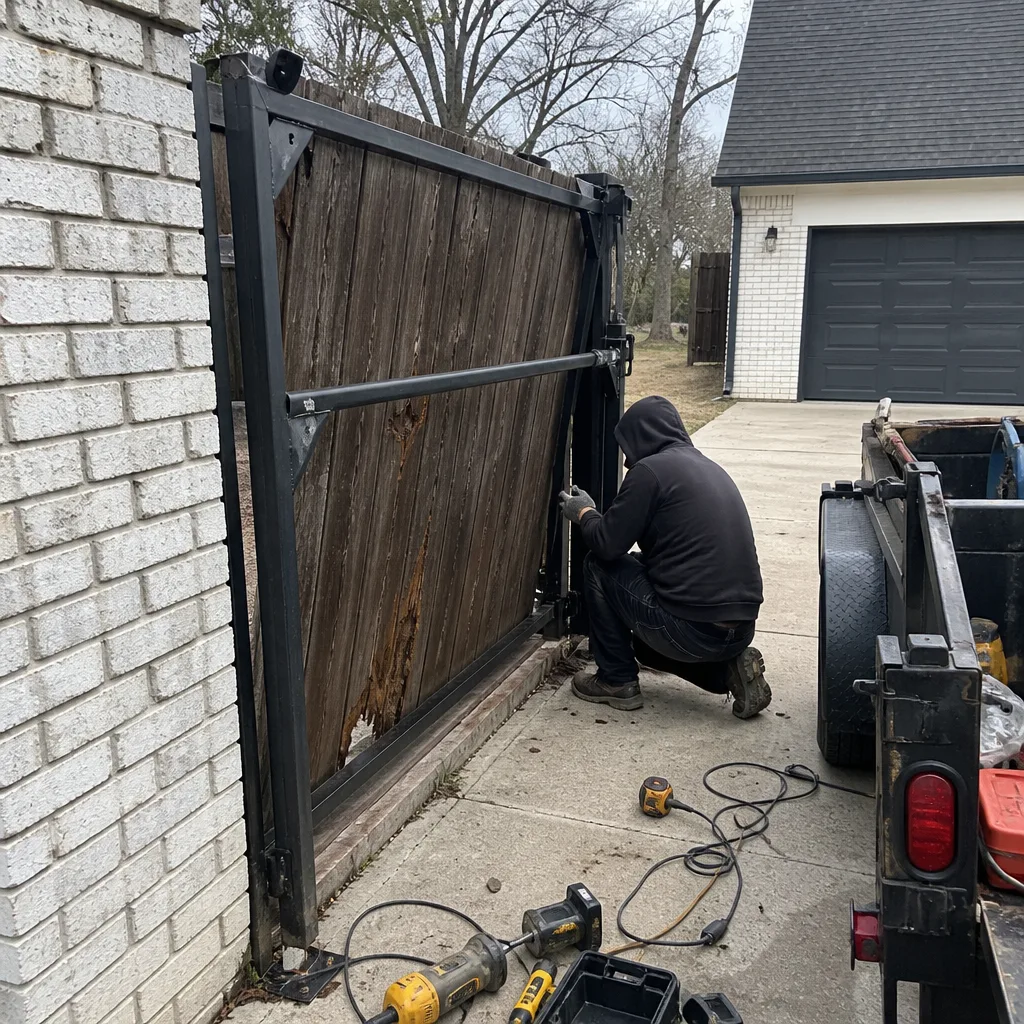 Before
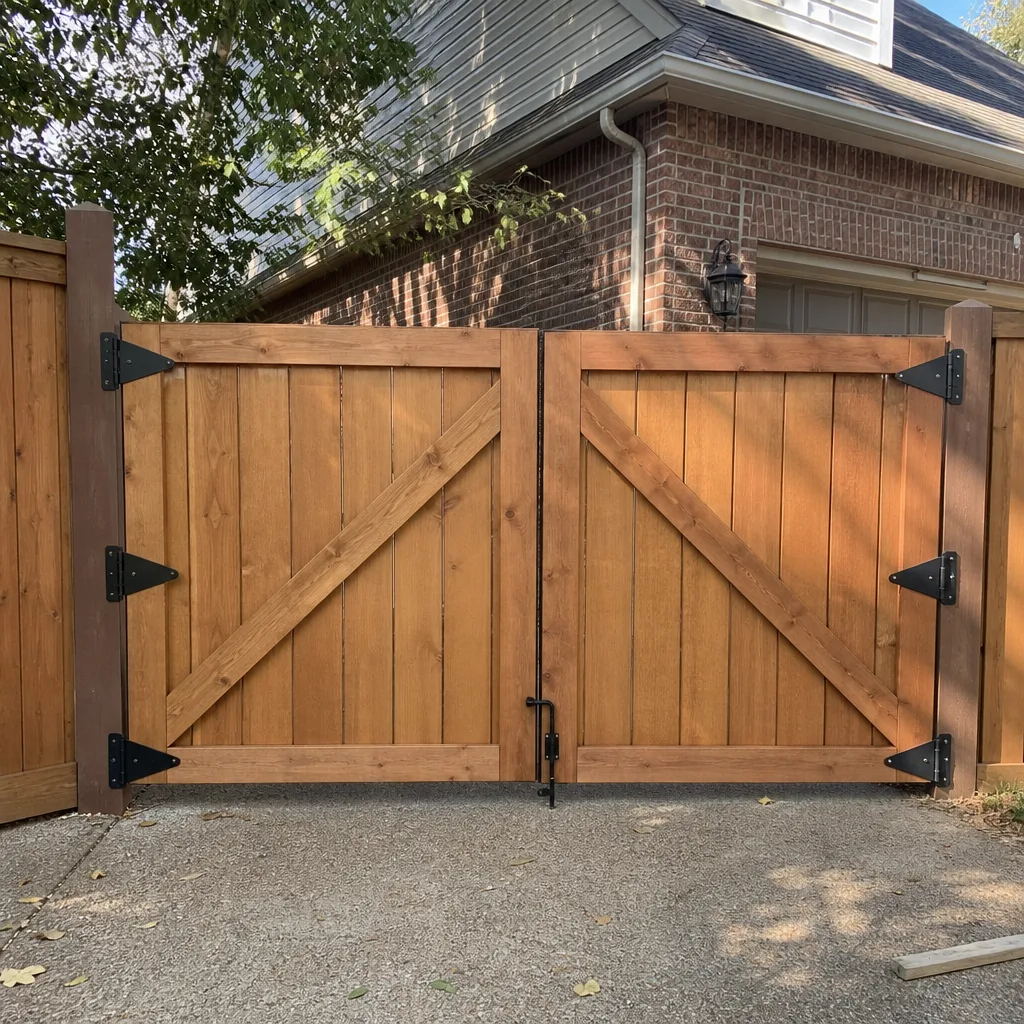 After
After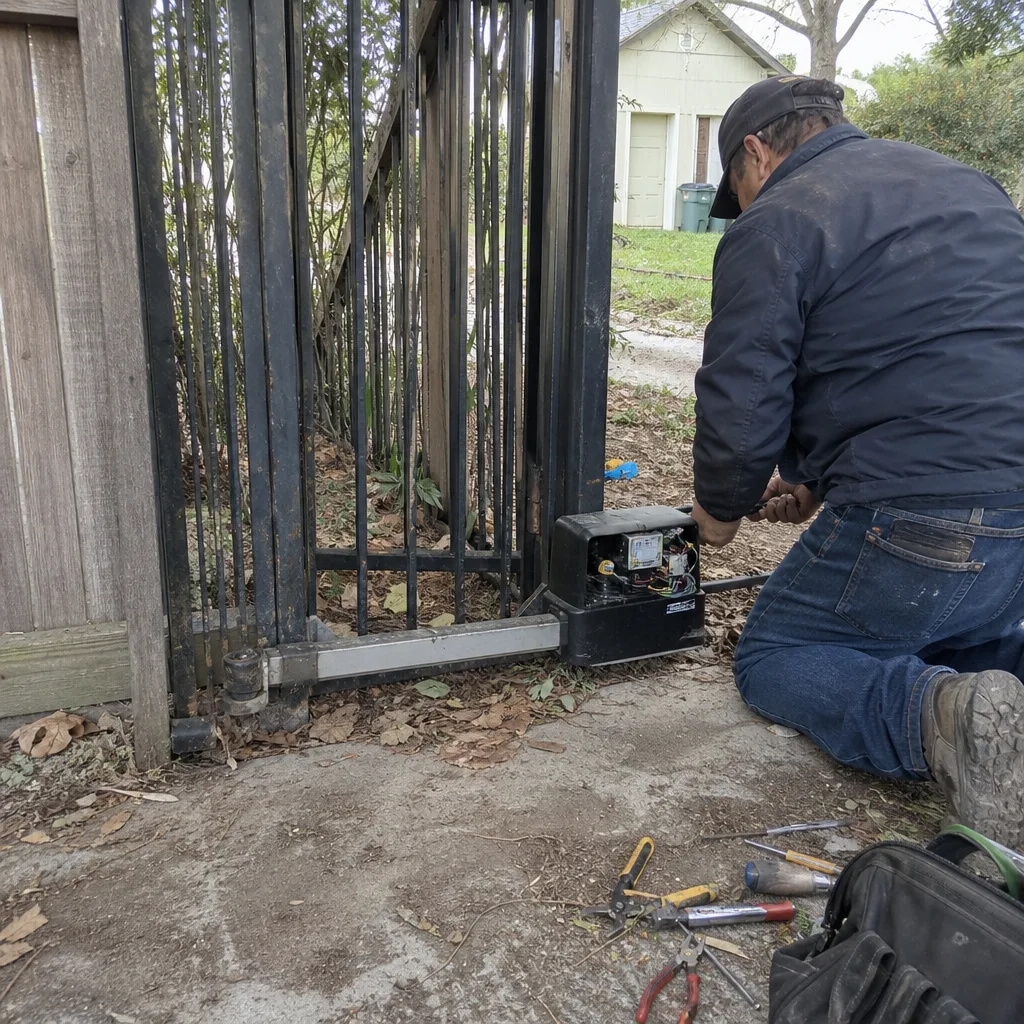 Before
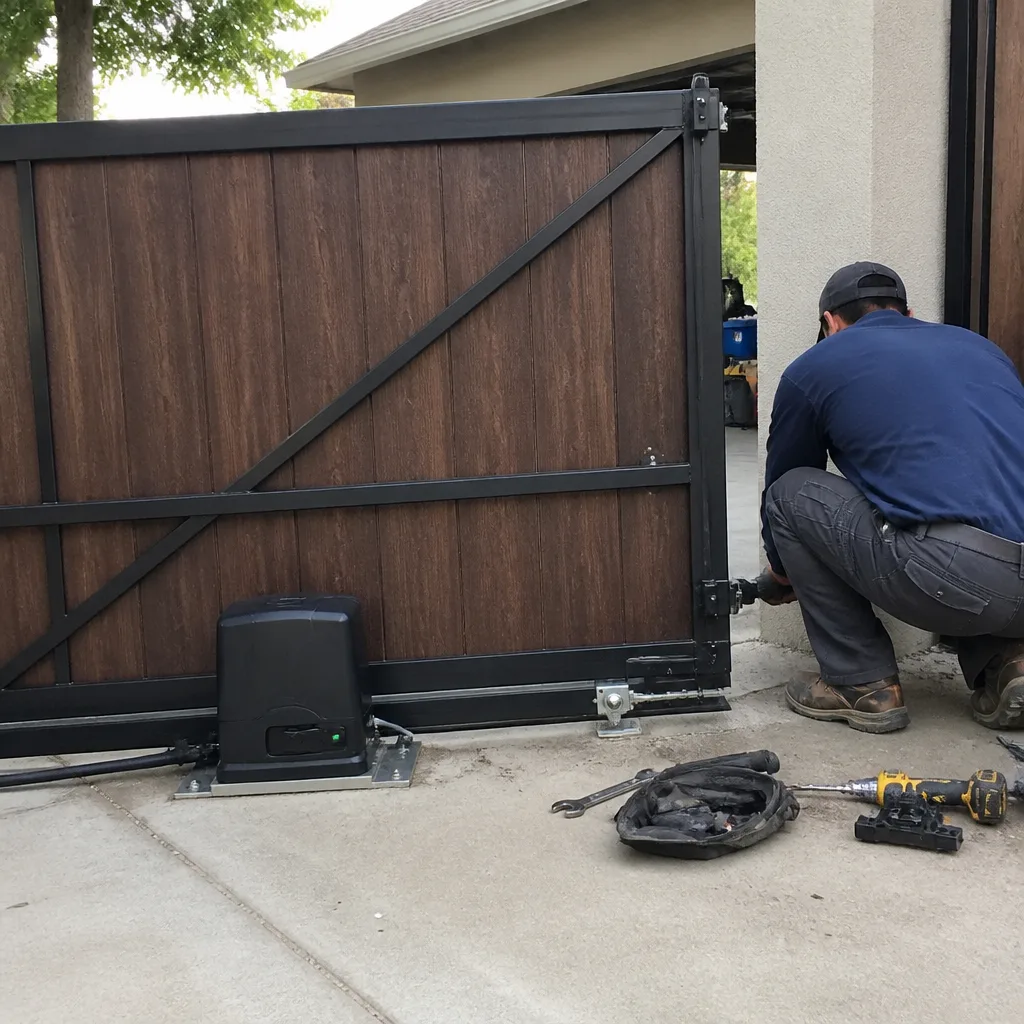 After
After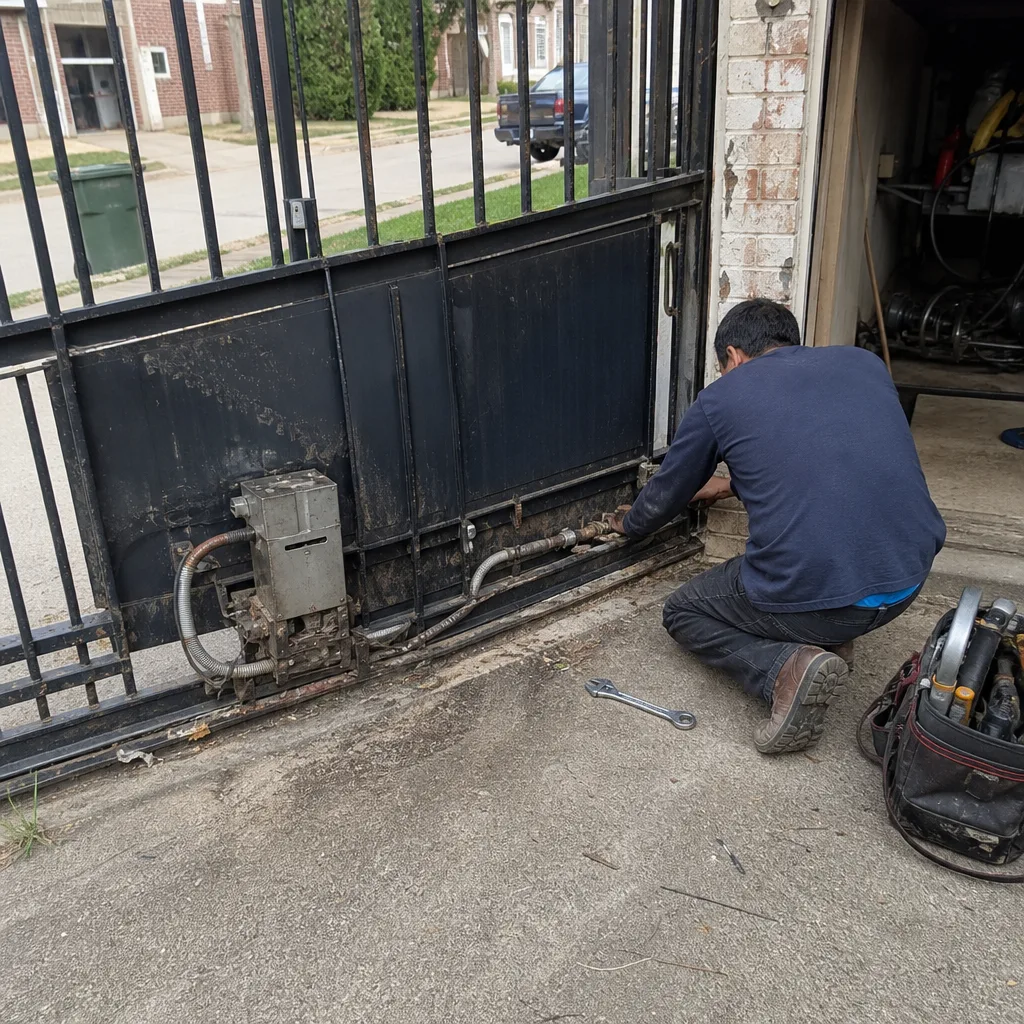 Before
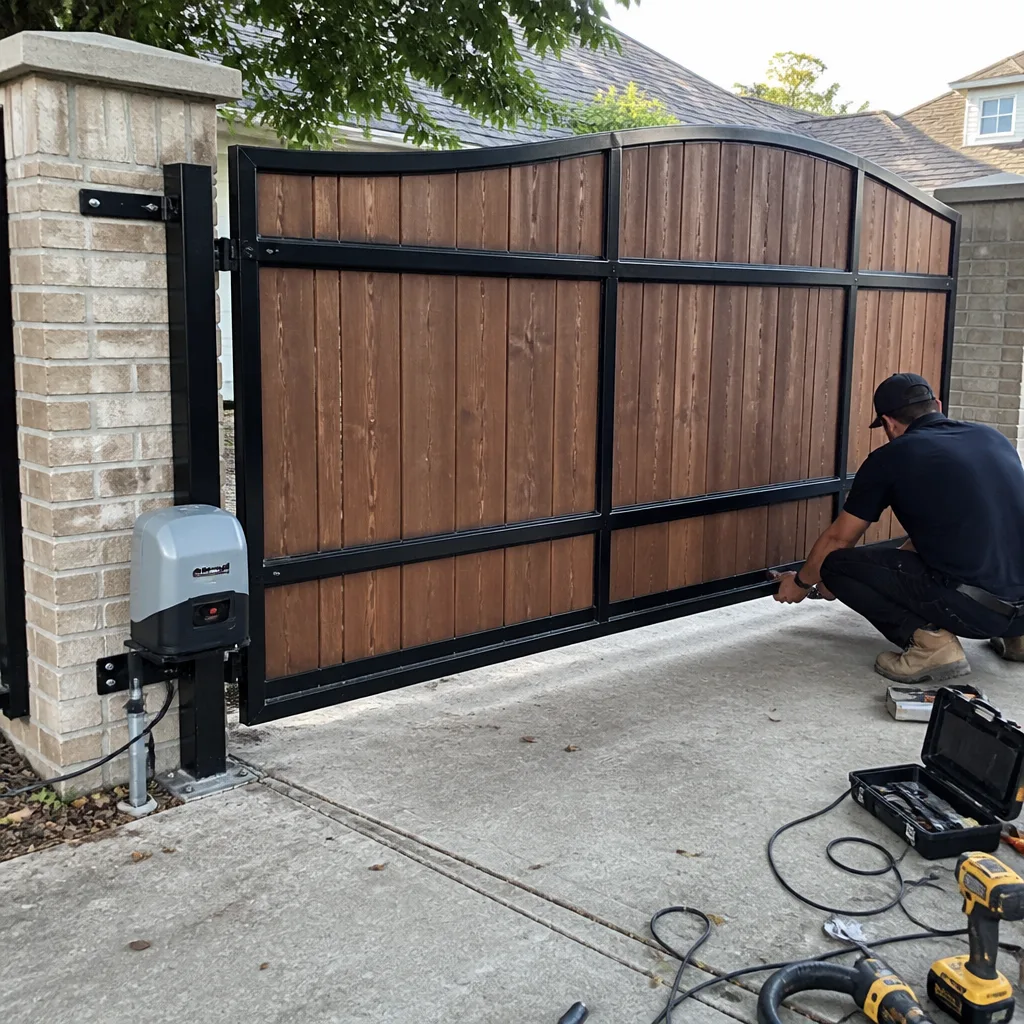 After
After