
Last updated October 16, 2026
 Wrought iron
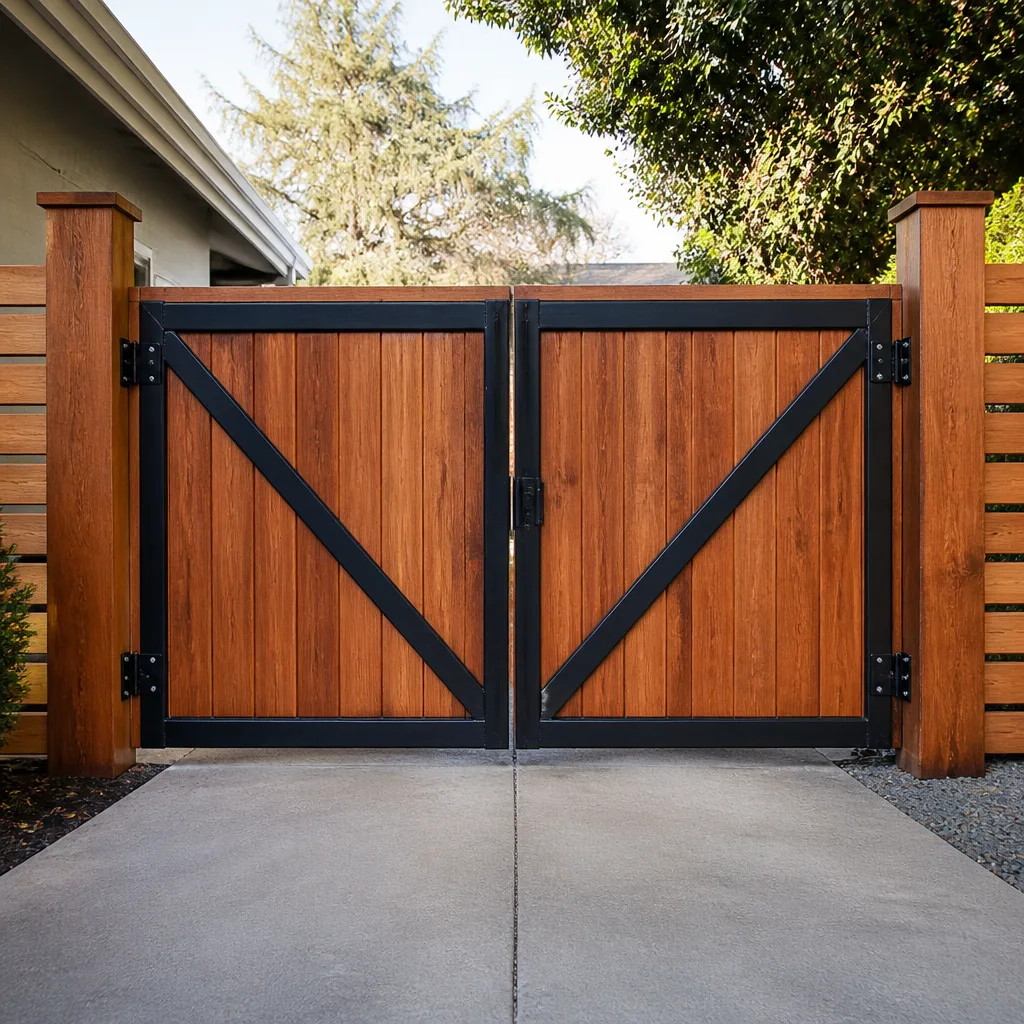 Wood & steel frame
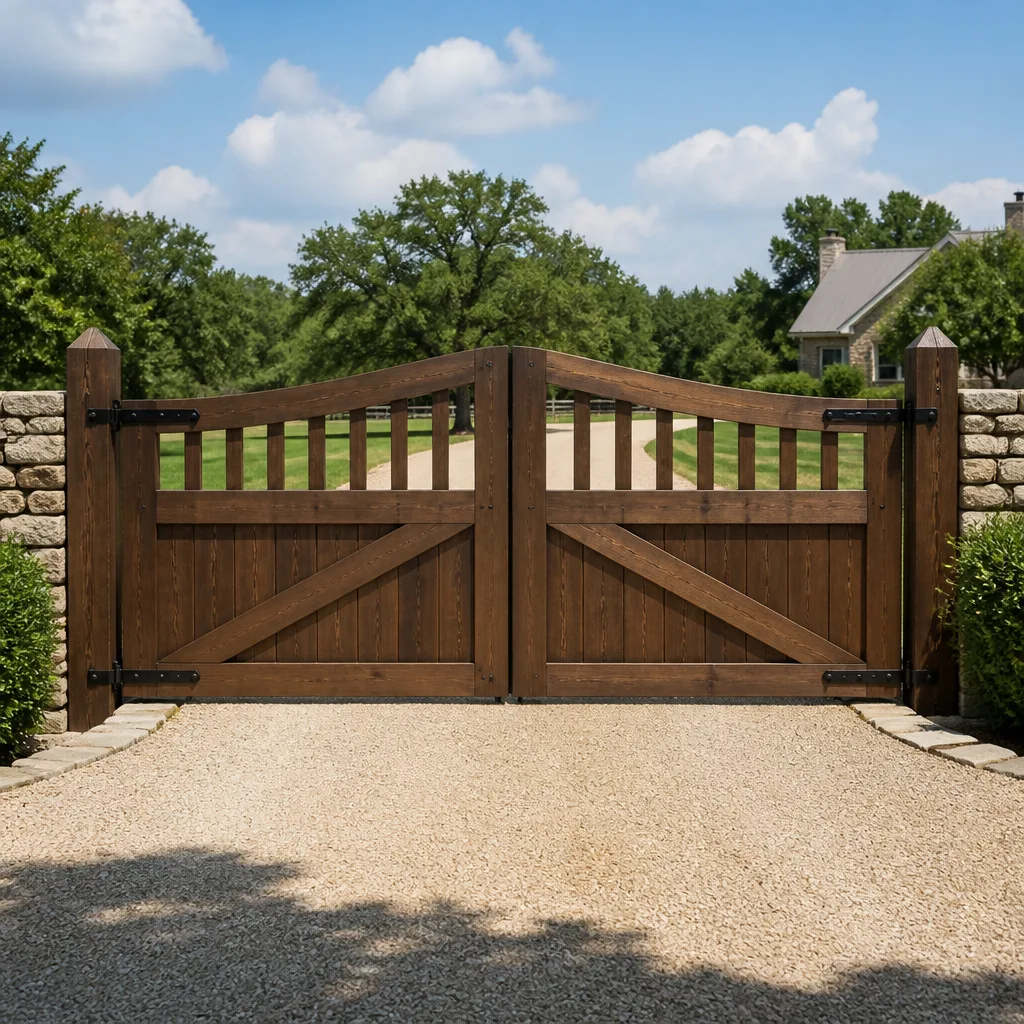 Farm & ranch
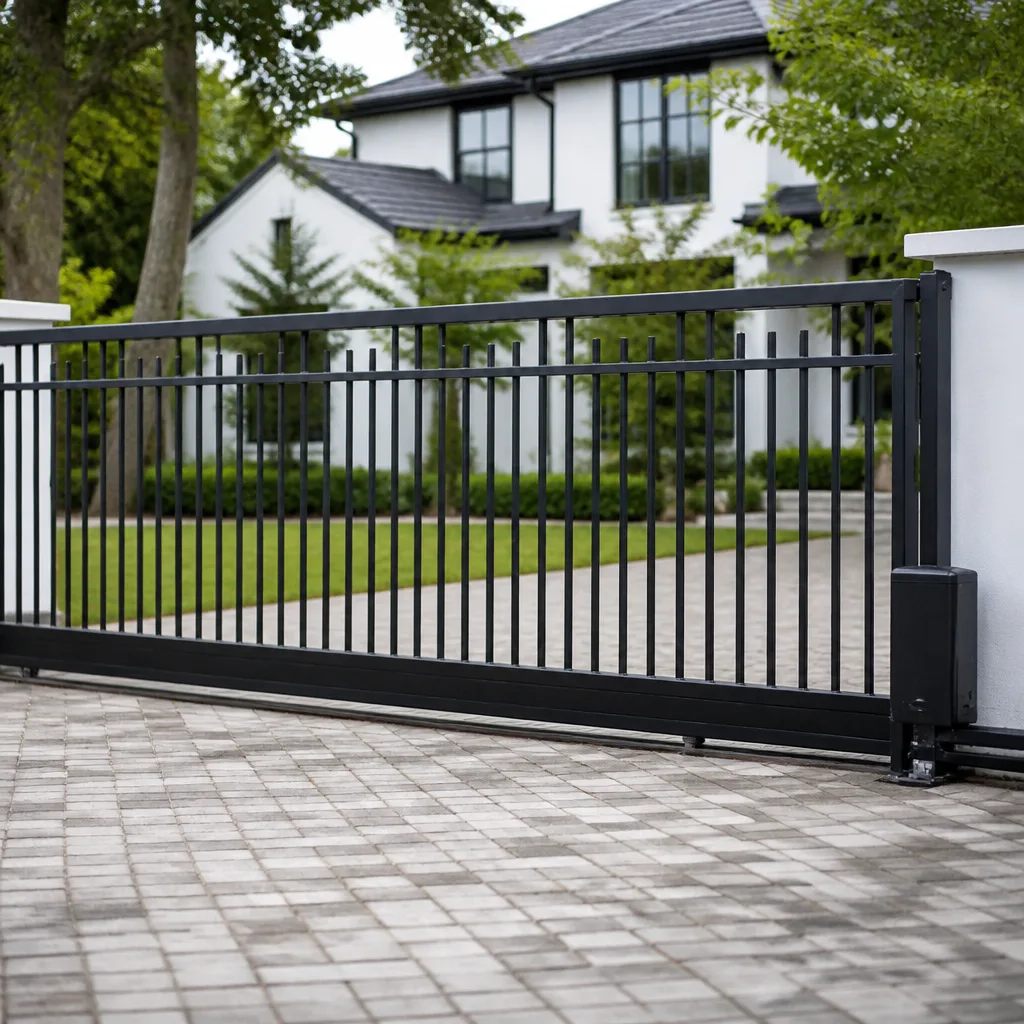 Sliding driveway gates
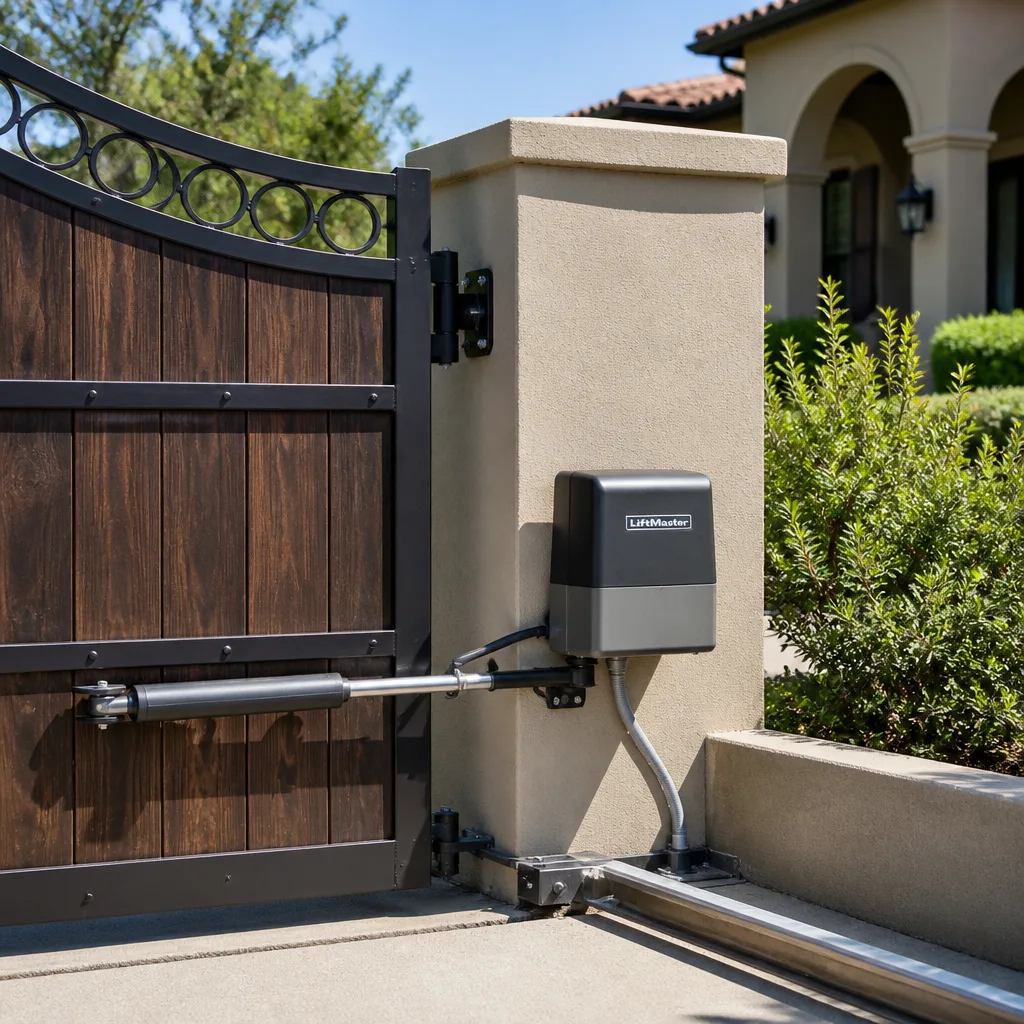 LiftMaster operators
Free on-site gate assessment - hinges, posts, and your LiftMaster or Nice gate operator checked before anything is quoted
The assessment is free and the quote is the invoice.
Get your free estimateThe Complete Guide to Gate Repair in Dallas
Dallas sits on some of the most expansive clay soil in the United States, and that soil can heave and settle by as much as four inches between a wet spring and a dry August. That single fact, more than age or brand or neglect, explains why so many gate repairs in Dallas get misdiagnosed. This guide maps the real failure patterns we see across this city: what breaks, why it breaks differently here than in Houston or Fort Worth, what a fair repair costs, and when a soil problem needs one fix while a mechanical problem needs another. By the end, you will know exactly what to ask before anyone touches your gate.
Styles & brands we work with
Quick Answer
Gate repair in Dallas typically costs between $180 and $850, with the most common jobs, hinge realignment and operator limit adjustments, landing in the $200 to $400 range. Soil movement under the gate posts, not the opener motor, causes the majority of failures we correct in Dallas. A gate specialist can fix most mechanical and structural issues, but certain electrical work on the power feed to the gate must be done by a licensed Texas electrician. Warden Gate Repair Dallas offers Gate Repair services with a written price before any work starts, and you can reach a live person 24/7 at (361) 322-4460.
Table of Contents
- Why Dallas Soil Is the Real Problem Behind Most Gate Failures
- Brand vs. Structure: What Actually Breaks on a Dallas Gate
- What Gate Repair Costs in Dallas: Real Price Ranges
- What You Can Check Yourself vs. What Needs a Texas Licensed Professional
- Neighborhood Risk Factors: Flood Zones, Clay Beds, and HOA Hardware Rules
- What a Legally Binding Written Quote in Dallas Must Include
- How Long a Gate Repair Takes in Dallas, Step by Step
- Common Mistakes to Avoid
- When to Call a Professional
- Frequently Asked Questions
- The Bottom Line
Why Dallas Soil Is the Real Problem Behind Most Gate Failures
Dallas sits on the Eagle Ford Shale and the Austin Chalk formations, both of which produce a clay soil that expands dramatically when wet and contracts just as dramatically when dry. The seasonal swing, as much as four inches of vertical movement in a single year, is among the most aggressive in any major U.S. city. Now imagine two steel posts sunk into that soil, each carrying half the weight of a 400-pound wrought-iron driveway gate. One post moves up, the other moves down. The gate no longer meets the latch. The hinges bind. The opener motor strains to drag the gate through an arc it was never designed to follow.
Here is the pattern we see again and again: a homeowner calls us for “hinge repair” because the gate sags and drags. We arrive, check the post with a level, and find the post itself has tilted two degrees since March. Repacking or resetting that post in a deeper footing with proper drainage solves the problem permanently. Lubricating or replacing the hinges without addressing the post gives the homeowner maybe six months before the sag returns. In Preston Hollow and Lakewood, where mature trees pull moisture unevenly from the soil, this problem is especially common. In newer subdivisions like Frisco and McKinney, the culprit is often rushed fill dirt that was never compacted to the same standard as the original soil.
How do you tell soil movement from mechanical wear? Three signs point to soil. First, the gate’s relation to the ground changes: it may scrape in one corner but not the other, or the gap at the bottom is noticeably wider at one end. Second, the gate drifts out of alignment only seasonally, fine in winter, binding in July. Third, the posts show visible lean or cracks in the concrete collar at their base. Mechanical wear, by contrast, announces itself with noise: grinding, clicking, or a motor that runs but no longer moves the gate at a consistent speed.
Brand vs. Structure: What Actually Breaks on a Dallas Gate
There is a persistent belief that a gate problem is a brand problem. The thinking goes: my LiftMaster opener won’t stay closed, so I need a LiftMaster repair. Sometimes that is true. But in our experience across Dallas, roughly half of all “opener failures” are actually gate-structure failures that no opener on earth could overcome. The distinction matters because it changes who you call, what parts you pay for, and whether the fix lasts, as covered in our DIY vs Professional Gate Repair: The Dallas Homeowner’s Decision Guide.
Gate structure problems are brand-agnostic. A leaning post, a sagging frame, a cracked weld on a steel gate, a broken caster on a slide gate: these affect any opener. In a Dallas summer, a black wrought-iron gate can reach 160 degrees, and that heat expands the metal. Joints that were tight in March can bind in August. This is pure metallurgy, not a failed circuit board.
Opener problems are brand-specific, and the right diagnosis often requires brand-specific knowledge. A Viking operator wired for a commercial apartment complex in North Dallas will have different force settings and safety inputs than a Ghost Controls system on a rural acreage in Ellis County. A DoorKing slide gate operator has a clutch mechanism that wears predictably at the 8-to-10-year mark; a Linear arm operator used for light residential swing gates tends to fail first at the capacitor, not the motor. The repair path is different in each case, and sending the wrong tech with the wrong parts means two visits, not one.
At Warden Gate Repair Dallas home, we are factory-trained on nine major brands, including the four above, so the diagnostic step happens once, not twice. But the first question we ask on any call is not “what brand?” It is “what is the gate doing, and when did you first notice it?” That answer usually tells us whether we are sending a structural fix or an electronics fix before we even see the property.
What Gate Repair Costs in Dallas: Real Price Ranges
Dallas gate repair pricing runs a wider range than most homeowners expect, and the spread comes down to access, weight, and whether structural work is involved. A simple limit switch adjustment on a residential swing gate might run $180. A full post reset with new concrete and gate realignment often lands between $600 and $900. A slide gate with a broken roller and a bent track can exceed $1,200 once labor and track replacement are included. Here are the ranges we quote most often in the Dallas market:
- Hinge replacement and gate realignment: $200 to $450, depending on gate weight and whether welding is needed
- Opener limit or force adjustment: $150 to $250
- Control board replacement on a residential swing opener: $350 to $700, brand and board version dependent
- Post reset with new concrete footing and drainage gravel: $600 to $950 per post
- Slide gate roller and track repair: $400 to $1,200, depending on track type and gate length
- Safety sensor (photo eye) replacement or realignment: $180 to $320 per pair
- Full operator replacement, installed, on an existing gate: $1,200 to $2,800 for residential, more for long or heavy gates
These are honest Dallas ranges, not the “as low as” numbers some shops advertise to get a tech to your door. One thing to know: a gate specialist in Dallas cannot legally run new electrical line from your breaker panel to the gate operator. That part of the job belongs to a licensed Texas electrician, and it will add $400 to $1,500 to the project depending on distance, trenching, and whether conduit already exists. If your existing power line is intact and only the operator or gate hardware needs work, a gate specialist can complete the full job. If the line is dead, corroded, or absent, you need both trades, and a good gate company will tell you that upfront rather than finding out at 4 p.m. on a Friday.
We give a written price before any work starts, every time, no exceptions. The number we quote is the number you pay. If we find something unexpected mid-repair, we stop, explain it, and get your approval on a new written number before we touch another bolt. That is how gate repair in Dallas should work, and it is the only way we operate.
What You Can Check Yourself vs. What Needs a Texas Licensed Professional
There is a line between observation and intervention, and knowing where it sits saves homeowners money and keeps them safe. Gate openers run on 120V or 240V line voltage, and the capacitor inside a gate motor can hold a lethal charge even after the breaker is off. This is not a dishwasher repair. Some things you can do; some things you absolutely should not.
What you can safely check yourself, with the opener unplugged and the breaker off:
- Listen and watch. Does the gate move smoothly if you release the operator and push it manually? If it binds or scrapes, that is a structural clue, not an electronic one.
- Inspect the hinge and post bases. Look for rust, loose bolts, cracked concrete, or a visible lean. Mark the post with a pencil line on a hard surface and check again in a month.
- Clean the track (slide gates) and remove debris. Mud, leaves, and Dallas construction grit are the enemies of rollers and limit switches.
- Check the safety sensors. Are they aligned, clean, and free of spider webs? Realign them if they have been bumped, but do not bypass them.
- Test the manual release. Most openers have a red handle or keyed release. Pull it and confirm the gate moves freely by hand.
What requires a professional, every time:
- Any work inside the operator housing: capacitors, control boards, transformers, limit switches
- Any work on the incoming electrical feed or the conduit between the panel and the opener
- Any structural welding or post resetting
- Any repair involving a gate that weighs more than roughly 300 pounds, where a falling gate can cause serious injury
- Any repair where the gate sits on a slope and has rolled or fallen from its track before
In Texas, the wiring from the breaker panel to the operator is governed by the National Electrical Code as adopted at the state level, and it requires a licensed electrician. The low-voltage wiring that runs from the operator to the keypad, safety loops, and photo eyes can generally be handled by a gate specialist. When both are involved, the sequence matters: the electrician connects the power, then the gate specialist commissions and tests the operator. If you bring in a gate company that does not mention the electrician requirement, ask them directly. The good ones will already have a relationship with a licensed electrician and will coordinate the work so you do not have to.
Neighborhood Risk Factors: Flood Zones, Clay Beds, and HOA Hardware Rules
Dallas is not one soil profile. It is a patchwork of floodplains, chalk uplands, and engineered fill, and a gate repair that works in one neighborhood may be wrong for another. If you live near White Rock Lake, in the East Dallas corridor, or anywhere along the Trinity River basin, your gate posts face a different lifecycle than one on the limestone shelf in Lake Highlands or the sandy loam pockets of southern Dallas County.
In flood-prone corridors, the driving issue is water saturation and drainage. A post set into a clay basin that holds water for days after a heavy rain will rot the steel below the concrete line and pump moisture up into the hinges. We recommend galvanized or powder-coated posts with a drainage layer of gravel beneath the concrete collar in these areas. If your gate sits in a low spot, the fix is often less about the gate and more about getting water away from the footing, a French drain or a regraded swale may be the real repair.
In the clay-heavy neighborhoods of North Dallas, Preston Hollow, and the Park Cities, the issue is differential heave. Two posts set in different soil zones, one near a sprinkler head or a mature oak, one in dry shade, will move at different rates. The gate tears itself apart slowly. The practical response is a deeper, wider footing with rebar tied through the post base, and we see this spec regularly in the custom gates along Strait Lane and Inwood Road.
HOA communities add a second layer. Frisco, Plano, and McKinney HOAs often mandate gate hardware that matches the community standard, specific hinge styles, specific opener brands, even specific keypad models. Before any repair, confirm what your HOA’s architectural guidelines require. A mismatched opener replacement in a strict community can land you a violation letter and a demand to redo the work. This is the kind of detail we ask about on the phone before we ever schedule a visit.
What a Legally Binding Written Quote in Dallas Must Include
A verbal estimate is not a contract. In Texas, a written quote becomes a binding agreement when it includes three elements: the scope of work in specific terms, the total price, and the parties to the agreement. A good written gate repair quote should also include the brand and model of any parts being installed, the timeline for the work, and a clear note about what happens if additional damage is discovered during the repair. If a quote says “hinge repair, $400” and the tech arrives and quotes you $900 for hinge repair, the written quote you already hold is your protection. If the written quote is missing, you are negotiating in the dark.
Here is what we include on every Warden Gate Repair Dallas written quote, and what you should demand from anyone:
- Exact address and scope. Not “gate repair” but “reset two gate posts in new concrete footings, 24-inch diameter, 36-inch depth, and realign gate.”
- Line-item pricing. Labor, parts, and materials separated. You should know what you are paying for each.
- Brand and model of any replacement part. A control board should be identified by part number.
- The guarantee. What is covered, for how long, and how a claim is made. Warden Gate Repair Dallas includes the 365-Day Done Right Promise in writing on every job. If the repair does not hold, the return visit is free.
- Timeline and access expectations. When we start, how long we need, whether you need to be home.
- Contingency language. What happens if we open the gate and find previous damage or a code violation. The answer should be: we stop, we show you, we get written approval on any new number.
If a company refuses to put a quote in writing, walk away. If a company sends a quote that is vague enough to drive a truck through, ask for specificity. The written quote is the single best tool a Dallas homeowner has against surprise invoices, and any reputable electric gate repair specialist in Dallas will provide one without hesitation.
How Long a Gate Repair Takes in Dallas, Step by Step
Most residential gate repairs in Dallas are completed in a single visit that lasts two to four hours. The exceptions involve concrete work, which needs time to cure, or part orders that require a second visit. Here is the typical sequence when you call for a repair:
- Phone diagnosis. You call, describe the symptom, and we ask the questions that tell us whether this is structural, mechanical, or electrical. We give you a ballpark range on the phone and schedule a date.
- On-site inspection. The technician arrives, checks the gate with the operator both engaged and disengaged, and diagnoses the root cause. You get a written price before any work begins. No work starts until you approve it in writing.
- Repair or part order. For common repairs like hinge alignment, sensor replacement, or limit adjustments, the work happens the same day. For uncommon parts, we order overnight or two-day and return as soon as the part arrives.
- Test and demonstrate. We run the gate through multiple cycles, test the safety features, and show you how to operate the manual release. You get a written summary of what was done and what to watch for.
- Follow-up. Every Warden Gate Repair Dallas job includes the 365-Day Done Right Promise. If the same issue reappears within a year, the return visit is free. That is the entire promise, on paper.
Concrete work, like post resets, extends the timeline. The concrete needs 24 to 48 hours to cure before the gate is rehung, and we schedule accordingly. In summer, we may use a faster-curing mix, but we will not rehang a 500-pound gate on green concrete, and you should not let anyone else do it either.
Common Mistakes to Avoid
- Replacing the opener when the post is the problem. A new motor will not fix a leaning post. You will be back in the same position within a year, out the cost of a motor you did not need.
- Lubricating hinges without checking alignment. Grease masks a binding hinge for a week and then the wear accelerates. Fix the alignment, then lubricate.
- Ignoring the safety sensors. In Dallas, a gate that reverses on its own is usually a photo eye issue, not a motor issue. Bypassing the sensors to “fix” it is dangerous and violates the operator’s UL listing.
- Skipping the written quote. A verbal estimate that changes on arrival is the single most common complaint we hear from new customers in Dallas. Get it in writing, every time.
- Using an unlicensed handyman for electrical work. Gate opener wiring in Texas is electrical work. The savings disappear the moment something shorts, and the insurance claim gets complicated.
- Forgetting the HOA. In Frisco, McKinney, and many North Dallas communities, a non-conforming gate repair must be redone at your expense. Check the rules before the work, not after.
When to Call a Professional
Call a gate specialist the moment your gate stops behaving predictably: it scrapes the ground, reverses without reason, groans when it moves, or the opener runs but the gate does not respond. For more guides & resources on what to watch for, explore our blog. Call immediately if the gate falls off its track, if the post is visibly leaning, or if you smell burning near the operator. These are not maintenance items; they are safety failures waiting to happen. A gate that drops on a child or a pet is a permanent consequence of a temporary delay. Warden Gate Repair Dallas offers free estimates in Dallas, with a written price before any work starts. Call (361) 322-4460 and you will speak to a live person, day or night, not a voicemail or an answering service.
Frequently Asked Questions
Most gate repairs in Dallas cost between $180 and $850, with straightforward hinge realignments and limit adjustments at the lower end and post resets with concrete work at the upper end. A full operator replacement runs $1,200 to $2,800 installed. Every job at Warden Gate Repair Dallas gets a written price before work begins, so the number you approve is the number you pay. Call (361) 322-4460 for an exact quote, free of charge.
Many common repairs, hinge realignment, sensor replacement, limit adjustments, can be completed the same day we visit. If we need a part that is not on the truck, we order it and return within one to two business days. Post resets and other concrete work require a day or two for curing. Tell us what is happening when you call and we will give you a realistic timeline.
We are factory-trained on LiftMaster, FAAC, BFT, Linear, Viking, Ghost Controls, DoorKing, Elite, and Mighty Mule. That means we carry the right diagnostic knowledge and the right parts for all nine brands. If your operator is outside that list, we will tell you on the phone before you pay for a visit.
It depends on where the problem is. Mechanical and structural gate repairs, and the low-voltage wiring from the operator to keypads and sensors, are gate specialist work. The line-voltage power feed from your breaker panel to the operator is electrician work under Texas code. If you are not sure, call us and describe the symptom. We will tell you which trade you need and coordinate with an electrician if the job requires it.
Fix the post now. A leaning post means the gate’s weight is no longer distributed the way the hinges were designed to carry it, and the next thing to fail will be the hinge welds or the opener’s gearbox. In Dallas’s expansive clay, this is the most common gate problem we see, and it is always cheaper to reset one post than to replace a snapped hinge and a burned motor.
Yes. We regularly work in HOA-governed communities across the Dallas area, and we will ask about your community’s hardware requirements before any work begins. We can also provide the documentation most HOAs require for gate modifications. It is part of getting the job done right the first time.
The Bottom Line
Gate repair in Dallas is a soil story as much as a hardware story. The clay beneath your driveway is moving, and your gate is moving with it. That means the right fix is not always the obvious one, and the difference between a $200 band-aid and a $700 permanent repair is often a post that needs resetting, not a hinge that needs grease. Know the soil, know the brand, know the code, and know what should be in writing before anyone starts work. If you want an honest diagnosis, a written price, and a tech whose name and photo arrive before he does, call Warden Gate Repair Dallas for gate motor repair and service at (361) 322-4460. Every repair is covered by the 365-Day Done Right Promise: if it is not right, we make it right, with a free return visit.
Written by Cole Rafferty, Owner at Warden Gate Repair Dallas, serving Dallas since 2008.
See the difference
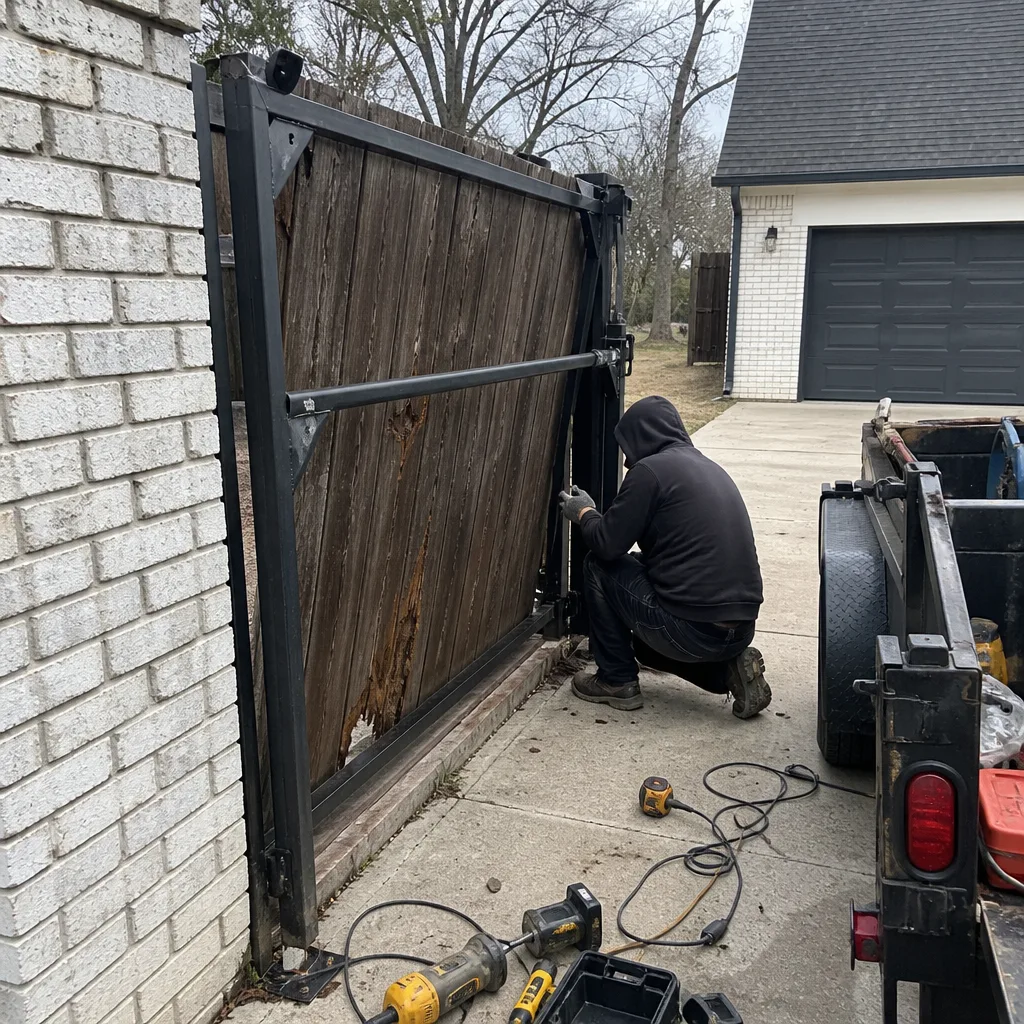 Before
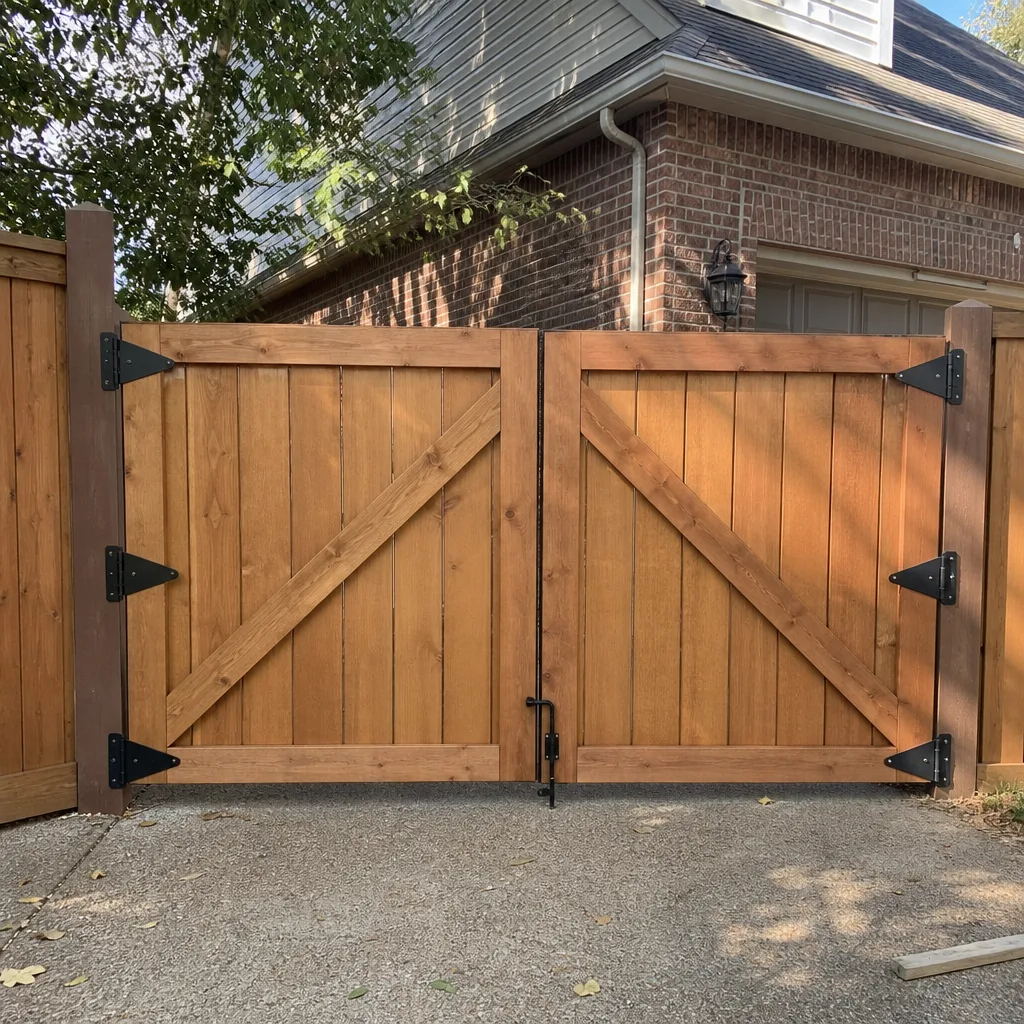 After
After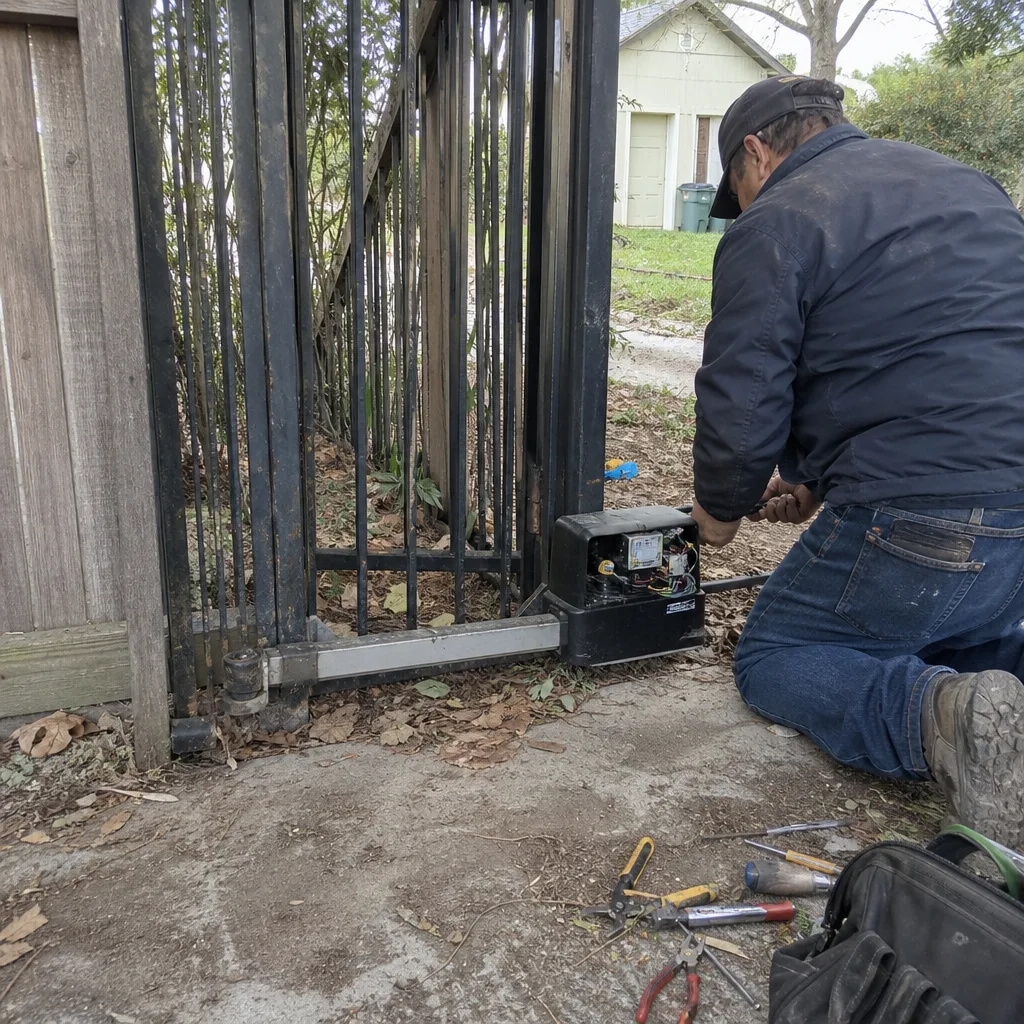 Before
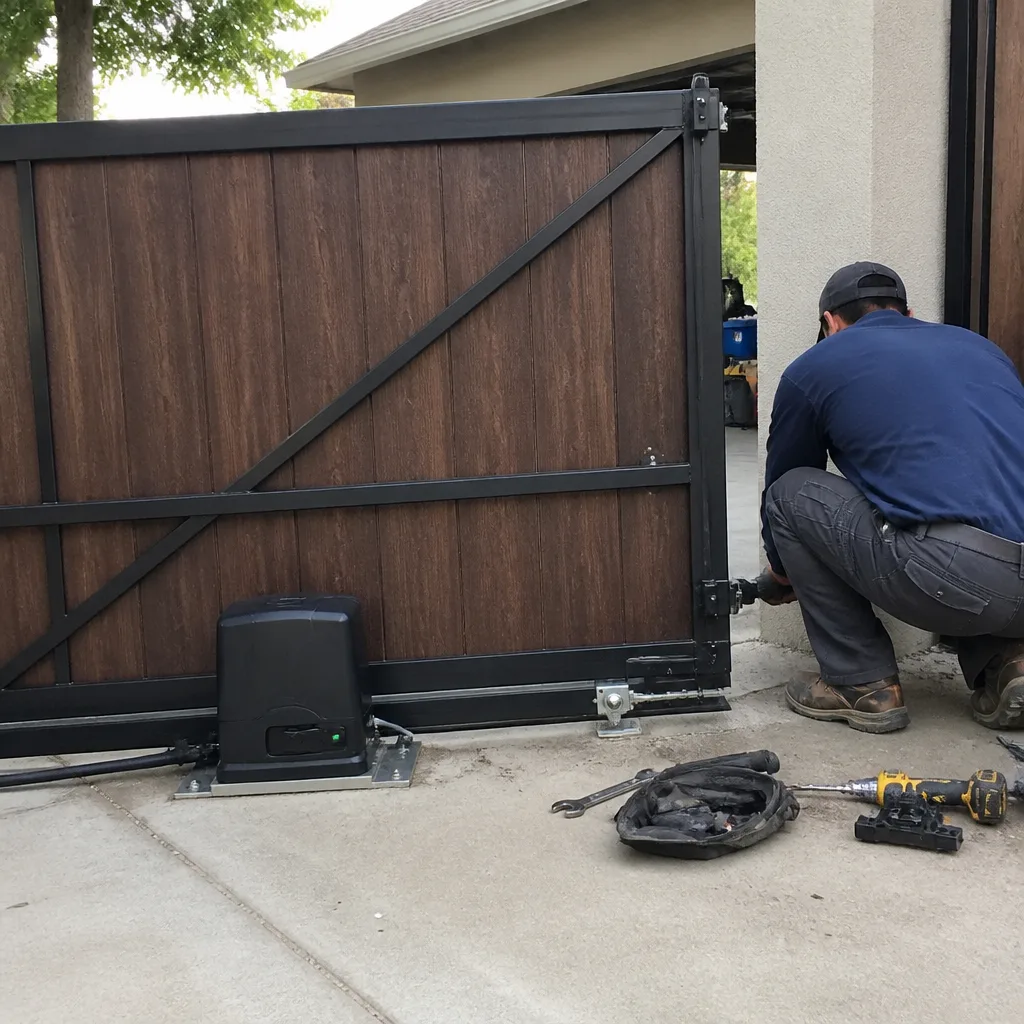 After
After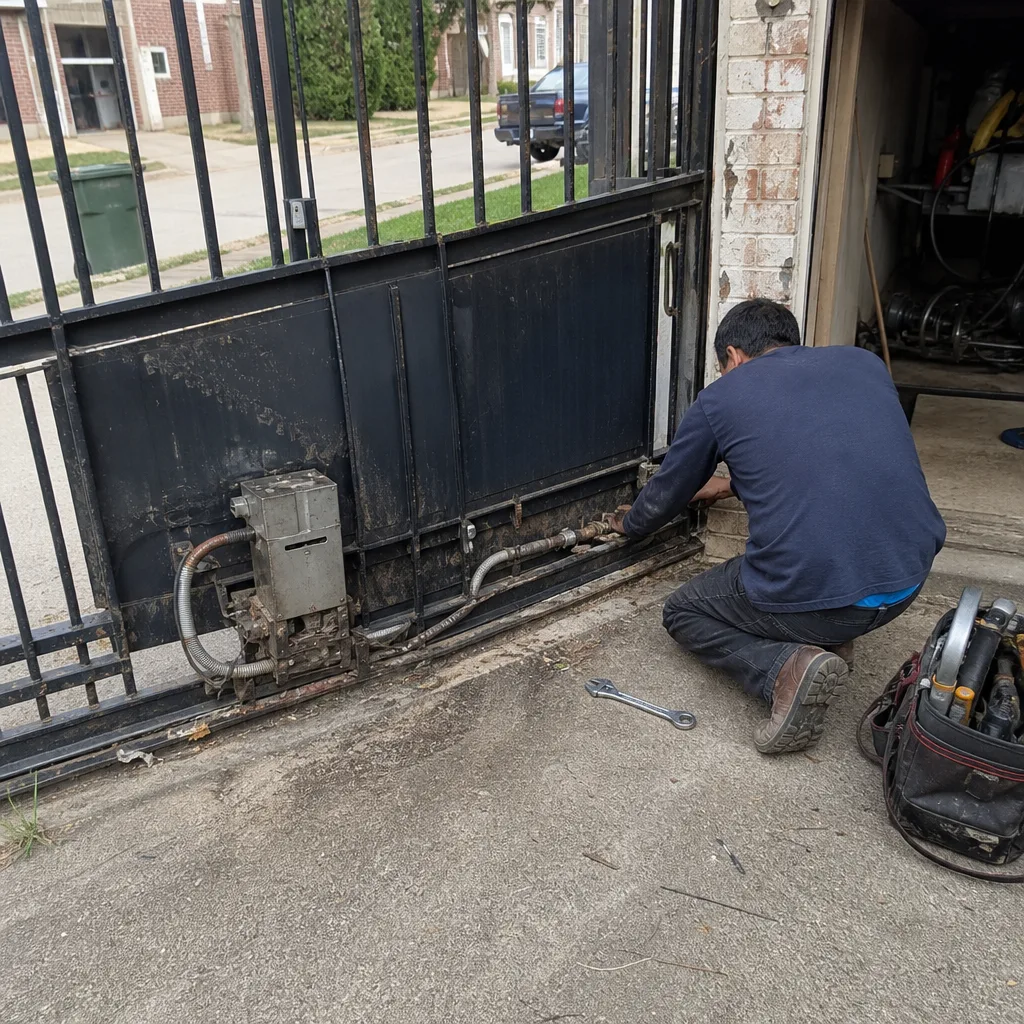 Before
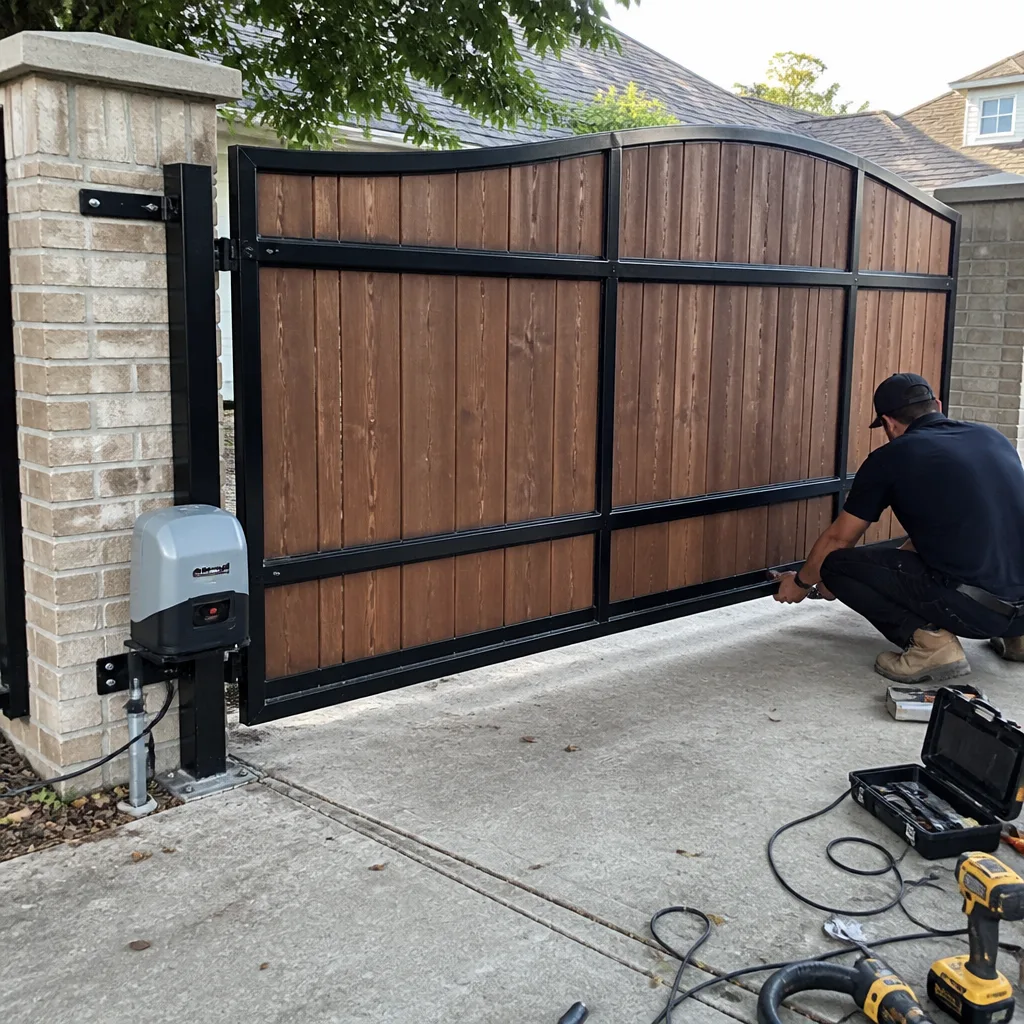 After
After